
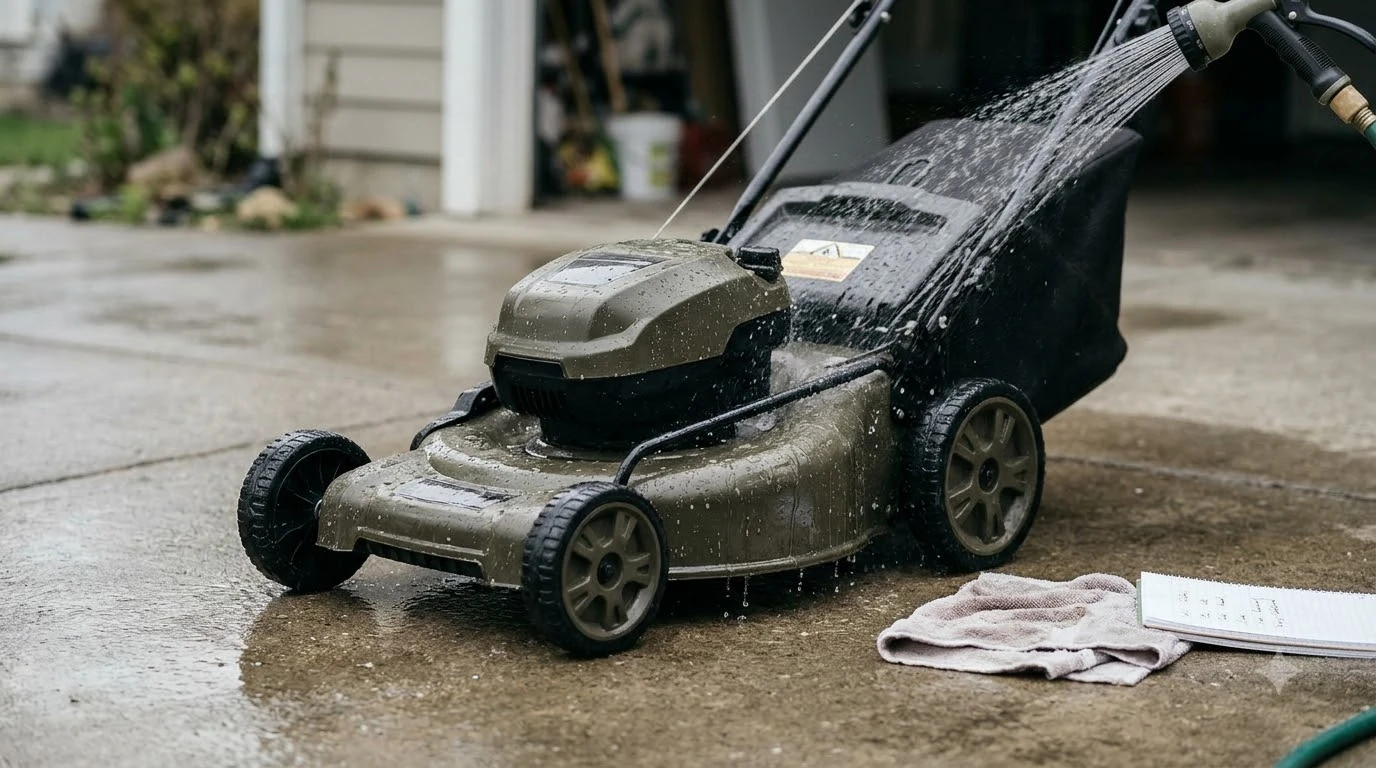

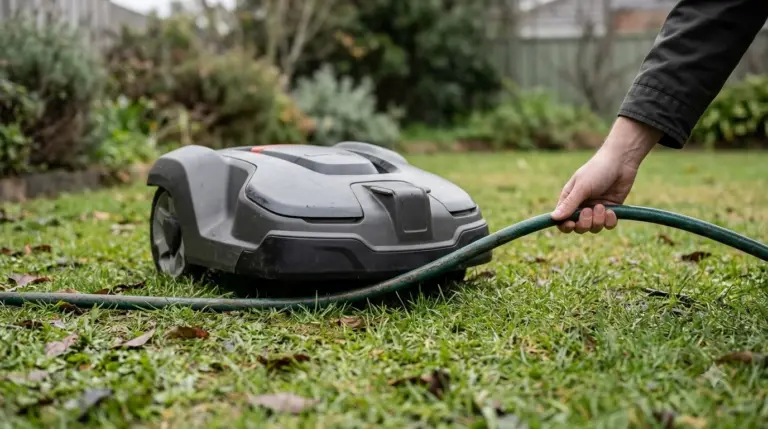
Can a robot mower run over a garden hose without cutting it? Rarely safely—even though robot mowers use small, lightweight pivoting blades rather than heavy rotary bars, a garden hose lying on the lawn can still get sliced, chewed, or wrapped around the blade disc. Manufacturer setup guides and owner manuals treat garden hoses as foreign objects that must be cleared before mowing because low-lying hoses often sit below obstacle-avoidance sensors. Knowing why a hose gets caught and how to route or shield it keeps both your watering gear and your mower’s cutting system intact.
The short answer
- High cut and tangle risk: Small razor-style blades on a spinning disc can slice soft rubber or vinyl hoses and snag loose loops around the underside of the chassis.
- Sensor blind spots: According to eufy’s obstacle detection guidance, small, low, or partly hidden objects like garden hoses are harder for onboard sensors to recognize, especially in taller grass.
- Clearance depends on height: A hose pressed flat below the cutting deck height may pass untouched once, yet a kinked loop, nozzle, or low cut setting invites immediate blade contact.
- Warranty exclusions: Operator manuals such as the Segway Navimow X3 Series User Manual require clearing foreign objects and state that limited warranties do not cover damage caused by items left on the lawn.
- Best prevention: Coil hoses off the turf between waterings, or use virtual stay-out zones and physical hose guards where temporary watering lines must stay out.
Why robot mowers still damage garden hoses
A robot mower relies on small, razor-thin blades mounted to a central spinning disc, which behave very differently from a walk-behind gas mower yet still slice soft hose walls on contact.
Most residential robotic mowers use lightweight pivoting blades designed to deflect backward when they strike a hard stone or dense root. That pivoting action protects the motor and reduces thrown-object hazards, as noted in Segway Navimow’s hazard-avoidance documentation. However, a flexible vinyl, rubber, or expandable fabric garden hose does not offer the rigid resistance needed to kick a blade inward cleanly. Instead, the spinning edge can score the outer jacket, slice through pressurized tubing, or catch a fold in the hose and pull it upward into the cutting disc.
Even when the blades miss the main length of tubing, a mower’s drive wheels and low front skirt can snag a loose coil or brass coupling. Once a loop lifts off the turf, the spinning disc can wrap the hose around the hub, stalling the drive motor or bending the blade bolts. Owner manuals from brands like Toro and TerraMow instruct users to inspect the lawn and remove wires, cords, and foreign debris before running an automated cycle for this exact reason.
Why obstacle avoidance sensors miss hoses
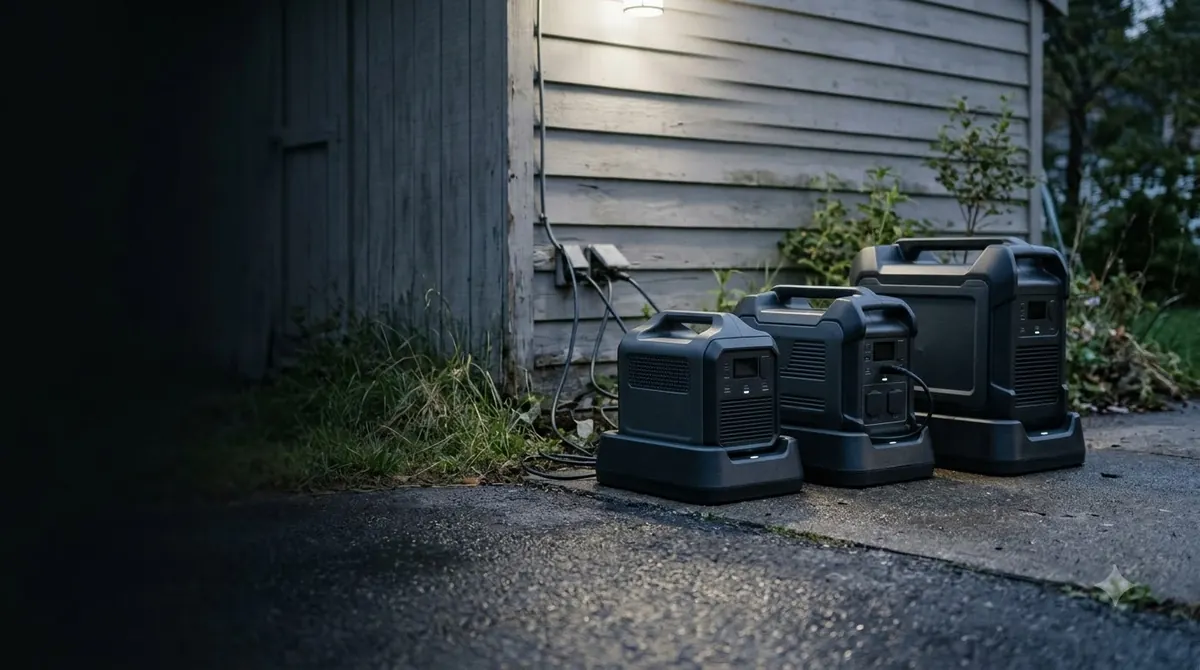
Camera, LiDAR, ultrasonic, and bumper sensors are calibrated primarily to detect vertical objects rather than thin tubing resting flush against soil and grass blades.
Physical bump sensors need a firm, upright surface—like a tree trunk, fence post, or patio chair leg—to trigger a reverse-and-turn response. A standard garden hose lies only an inch or so above the soil, allowing the mower’s front bumper to ride straight up and over it without registering an impact. If the wheels climb onto a pressurized hose, the deck can tilt slightly, either triggering a lift-sensor stop or pressing the spinning blades closer to the raised tubing.
Vision and radar systems improve detection for larger yard clutter, yet manufacturers still warn against relying on them for low-profile lines. In its setup checklist and safety guidance, eufy specifically lists garden hoses, loose wires, and temporary irrigation lines among small hazards that sit at ground level and become even harder to spot when grass grows taller. A dark green or black hose resting in shaded turf blends into the background visually while staying below the trigger threshold of forward-facing sensors.
Heads up
Never leave a pressurized garden hose across a scheduled mowing zone. A nicked pressurized hose can spray water directly into underside vents, wheel bearings, or non-washable electronics, causing water damage that falls outside normal rain-resistance ratings.
How hose type and cutting height affect the outcome
The likelihood of a clean pass versus a ruined hose comes down to deck clearance, hose stiffness, and whether the line lies flat across level turf.
No major manufacturer publishes a safe clearance rule for mowing over loose garden hoses, so every pass carries real risk. Still, different hose designs and mower settings behave differently when accidental contact happens. Higher cutting heights leave more breathing room between the grass crown and the spinning disc, whereas low turf settings put the blades almost flush with the top of a standard hose.
| Hose or setup factor | What happens when a robot mower crosses | Risk level |
|---|---|---|
| Expandable fabric hose (depressurized) | Bunches into loose folds as it shrinks, making it easy for wheels or blades to snag and shred the outer sleeve. | Very high |
| Standard vinyl or rubber hose (lying flat) | May pass under a high cutting deck once, but kinks, overlaps, or low cutting heights let blades slice the wall. | High |
| Hose with spray nozzle or sprinkler attached | Rigid fittings catch the front skirt or get struck directly by the blade disc, damaging both the nozzle and blades. | |
| Hose buried or routed in a rigid conduit | Sits below the turf surface or inside a hard sleeve, preventing blade contact and wheel entanglement. | Low |
Terrain undulations make flat hoses unpredictable. Even if your cutting deck is set near its upper limit on level ground, a slight dip or hump in the lawn causes the mower chassis to pitch forward or backward. That momentary dip drops the blade disc right onto a hose that cleared safely ten feet earlier.
How to water your lawn without risking your hose
Keeping hoses and mowers separated requires simple scheduling habits, physical routing, or app-based boundaries rather than trusting luck.
- Sync watering and mowing schedules. Run sprinklers or hand-water during windows when the robot mower is docked, then coil the hose onto a wall reel or patio box before the next scheduled cut.
- Draw temporary stay-out zones. If you use a wire-free mower with app mapping, place a virtual no-go zone over an active sprinkler setup or temporary soaker line, then delete the zone once you put the hose away.
- Keep zones off boundary and guide wires. When placing stay-out zones on hybrid or wired systems, avoid blocking the mower’s return corridor to the charging base.
- Route permanent lines underground or along hard edges. For water lines that must reach a distant garden bed all season, bury rigid PVC or poly pipe below turf level, or run the hose tight against a fence or brick edging outside the cutting path.
- Use heavy-duty cable ramps for temporary crossings. If you occasionally need water across a walkway or turf strip during a long project, a low-profile rubber hose bridge creates a firm ramp that triggers bump sensors or lets wheels roll over without exposing the tubing.
What to do if your robot mower runs over a garden hose
Stop the mower immediately, cut power, and inspect both the cutting assembly and the hose before starting another mowing cycle.
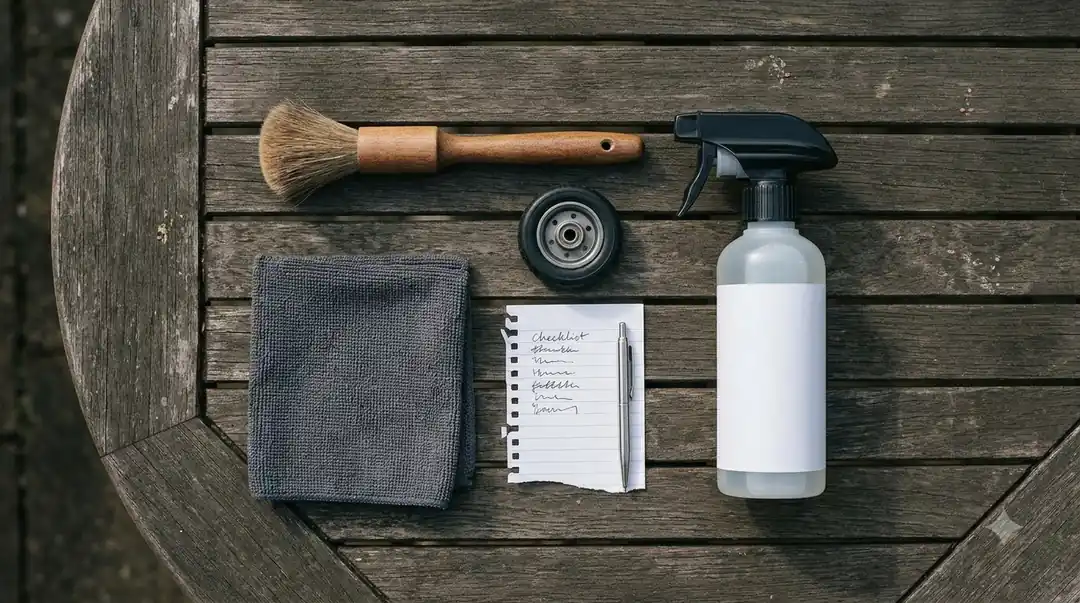
If you see or hear your mower tangle with a hose, press the physical STOP button on top of the unit first—never reach under the deck while the mower is active or paused via app alone. Turn off the main power switch or remove the safety key as directed in your owner’s manual, and put on heavy work gloves before tilting the chassis to inspect the underside.
Check the blade disc for wrapped strips of rubber, fabric webbing, or jammed debris, and verify that every pivoting blade still swings freely on its screw. Manufacturers including Husqvarna and Mammotion advise replacing chipped, bent, or imbalanced blades as a complete set so vibration does not wear out the cutting motor bearings. Finally, turn off the outdoor spigot and inspect the hose for pinholes or deep gouges before pressurizing it again.
Frequently asked questions
Can a robot mower run over a garden hose without cutting it if the cutting height is raised?
Raising the cutting height increases ground clearance and reduces the chance of immediate contact on flat turf, but it does not make mowing over a hose safe. Kinks, overlapping coils, nozzles, and small dips in the yard can still bring the hose into reach of the spinning blades or wheels.
Will AI camera or LiDAR obstacle avoidance stop a robot mower from hitting a hose?
Not reliably. According to manufacturer safety and setup guides, ground-level items like garden hoses and loose wires sit low in the grass and often go undetected by vision, radar, or bump sensors, especially when grass is tall or shaded.
What happens if a robot mower cuts a pressurized garden hose?
A sliced pressurized hose can spray water upward into the mower’s underside seals, sensors, and electronics, while loose hose pieces can wrap around the blade disc. Shut off the water supply, power down the mower completely, wear gloves to clear any debris, and check the blades for bends or chips before restarting.
Does warranty cover a robot mower damaged by a garden hose?
No. User manuals from major robot mower brands instruct owners to clear foreign objects such as wires, cords, and hoses from the lawn before operation and explicitly exclude damage caused by objects left in the mowing area from limited warranty coverage.
Sources
- Robot Mower Prep: What to Fix Before the First Mow (eufy): used for manufacturer checklist guidance on clearing garden hoses and temporary irrigation lines before mowing.
- Robot Lawn Mowers: Are They Safe Around Kids and Pets? (eufy): used for obstacle detection limitations regarding small, low, or grass-hidden hazards such as garden hoses.
- Segway Navimow X3 Series User Manual (Segway Navimow): used for foreign-object clearing requirements and limited warranty exclusions.
- How Robot Lawn Mowers Avoid Hazards (Segway Navimow): used for details on lightweight pivoting blade design, lift sensors, and virtual no-go boundaries.
 Up next8 min readLearnWhat Happens If a Robot Mower Runs Over a Hose?Updated Nov 11, 2026
 9 min readLearnCan a Robot Mower Detect Black Garden Edging in Low Light?Updated Nov 19, 2026
 8 min readLearnHow Do Robot Lawn Mowers Work Without a Wire?Updated Nov 11, 2026
 8 min readLearnHow to Adjust Cutting Height After Overseeding With a Robot MowerUpdated Nov 19, 2026
 8 min readLearnWhat Is Edge Cutting on a Robot Mower?Updated Nov 11, 2026
 9 min readLearnRobot Mower Cutting Unevenly: 4 Causes and How to Fix ThemUpdated Nov 11, 2026