
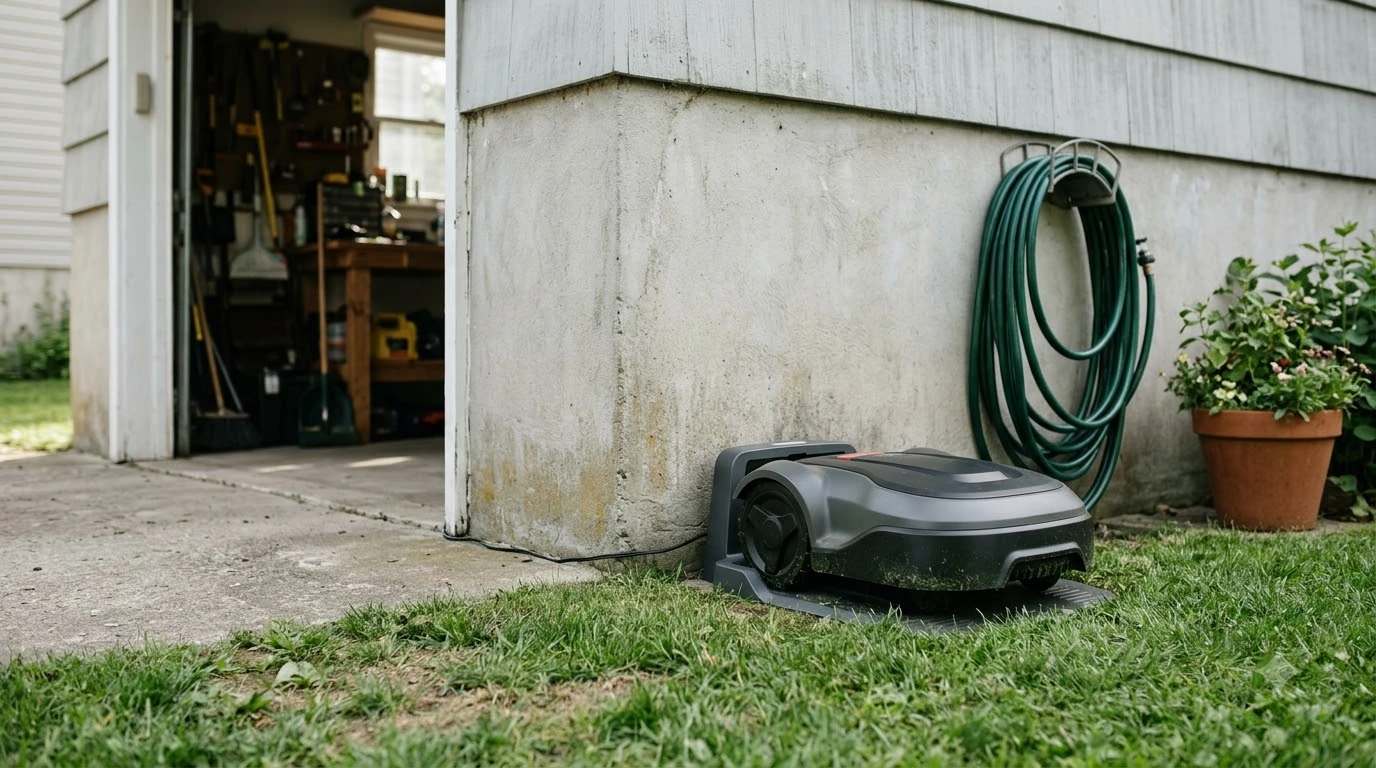

The best outdoor poe injector for roof-mounted rtk stations is an industrial IP67-rated, IEEE 802.3af/at-compliant gigabit unit with at least 6 kV Ethernet surge protection and a dedicated chassis ground terminal. Roof-mounted Real-Time Kinematic (RTK) base stations sit at the highest point of a residential roofline, leaving both the transceiver and its Ethernet run exposed to rain, extreme temperature swings, and electrostatic buildup. Pairing an outdoor-hardened injector with shielded, outdoor-rated pure-copper cabling keeps low-voltage correction data flowing cleanly to your boundary-free robot mower without risking moisture shorts or voltage surges.
The short answer
- Weatherproofing: Choose an IP66 or IP67 sealed aluminum or UV-stabilized enclosure with compression cable glands rather than wrapping an indoor brick in plastic.
- Power standard: Match active IEEE 802.3af (15.4 W) or 802.3at PoE+ (30 W) output to your RTK station instead of using always-on passive PoE, unless the manufacturer explicitly specifies passive voltage.
- Surge and ESD defense: Look for built-in 6 kV RJ45 surge immunity, 8 kV air electrostatic discharge (ESD) protection, and a physical ground lug bonded to your home grounding system.
- Temperature tolerance: Industrial injectors rated from -40°C to 75°C (-40°F to 167°F) survive summer attic heat and winter rooftop freezes without throttling.
- Cable run limits: Standard Power over Ethernet supports up to 100 meters (328 feet) over pure-copper Cat5e or Cat6 cable before signal attenuation or voltage drop requires an inline extender.
Why roof-mounted RTK stations need specialized outdoor PoE hardware
Elevating an RTK reference antenna onto a roof ridge or chimney mast maximizes clear sky visibility, yet it also places delicate electronics in the harshest microclimate on your property.
Most wire-free robot mowers rely on a stationary RTK base station that compares satellite signals against a fixed coordinate and broadcasts centimeter-level correction data to the mower. While compact residential units often include a basic indoor power injector in the box, real-world installation setups frequently force homeowners to mount the injector on an exterior wall, under an eave, or inside an unconditioned garage or attic. According to Yarbo’s official getting-started documentation, a roof-mounted RTK Data Center draws roughly 54 V at 73 mA (just under 4 W) continuously over its PoE+ link, meaning any moisture ingress or connector corrosion along that outdoor feed immediately interrupts satellite lock.
Standard indoor plastic injectors rely on vented housings and non-sealed RJ45 jacks. In high humidity or driving rain, condensation bridges internal circuit traces, while summer attic temperatures regularly exceed the 40°C (104°F) ceiling of consumer networking gear. Hardened outdoor injectors replace vented plastic with gasketed cast-aluminum shells, threaded waterproof glands, and wide-temperature industrial components.

Types of outdoor PoE injectors and power delivery methods
Selecting the right injector starts with matching its electrical handshake and housing style to both your RTK station’s power draw and where the box will physically live.
In our reading of GNSS receiver manuals and industrial Ethernet datasheets outdoor PoE hardware falls into four practical categories for residential and estate-scale mower setups:
| Injector Type | Power Standard | Typical Max Output | Best Mounting Location | Key Tradeoff |
|---|---|---|---|---|
| Active Outdoor PoE / PoE+ | IEEE 802.3af / 802.3at | 15.4 W to 30 W | Exterior wall, eave, or mast | Requires matching DC or AC outdoor power feed |
| Active Outdoor PoE++ | IEEE 802.3bt | 60 W to 95 W | Multi-device roof hubs | Overkill for a single 4 W to 15 W RTK unit |
| Passive Outdoor PoE | Proprietary (12 V to 48 V) | Varies by voltage | Dedicated legacy GNSS units | Sends continuous voltage; can damage non-passive ports |
| Indoor Injector + NEMA Box | IEEE 802.3af / 802.3at | 15.4 W to 30 W | Inside attic or utility closet | Requires adding a separate inline Ethernet surge suppressor |
Active IEEE 802.3af/at/bt injectors perform a low-voltage resistance check before sending full 48 V to 57 V DC power down the twisted pairs. As noted in the Trimble NetR8 GNSS Reference Receiver User Guide, keeping PoE supply voltage strictly within IEEE limits (under 57 V DC) and properly grounded prevents electrical hazards and protects sensitive receiver boards. Passive injectors skip this handshake entirely, making them safe only when your RTK station’s spec sheet explicitly calls for passive voltage on specific pins.
Key specifications to look for before you buy
Reading past marketing labels on industrial PoE datasheets ensures the injector will survive multi-season exposure on a roof or exterior wall.
- Ingress Protection (IP66 vs. IP67): An IP66 enclosure blocks dust and high-pressure water jets, which handles wind-driven rain under an eave. An IP67 rating—standard on units like the TRENDnet TI-O119GI and PLANET IPOE-175—adds protection against temporary immersion, giving extra margin if snow drifts or ice dams thaw around the housing.
- Surge and ESD ratings: Rooftop masts attract induced electrical transients during nearby thunderstorms even without a direct strike. Look for at least 6 kV surge protection on the RJ45 ports and 8 kV air electrostatic discharge (ESD) immunity, paired with an external grounding screw.
- AC-input vs. DC-input models: All-in-one AC outdoor injectors accept 100–240 V AC directly via waterproof conduit glands, which works well if an exterior junction box is nearby. Compact DC-input industrial injectors accept 24–57 V DC from an indoor DIN-rail or brick power supply, keeping mains voltage safely inside the house while placing the surge-protected outdoor injector near the roof entry point.
- Operating temperature window: Verify a cold-start and operating range of -40°C to 75°C (-40°F to 167°F). Direct afternoon sun on a dark south-facing wall can push internal enclosure temperatures well above ambient air readings.
- Cable gland diameter range: Outdoor shielded Cat6 cable has a thicker jacket than indoor patch cords. Check that the injector’s compression glands seal tightly around 6 mm to 7 mm outer-diameter jackets.
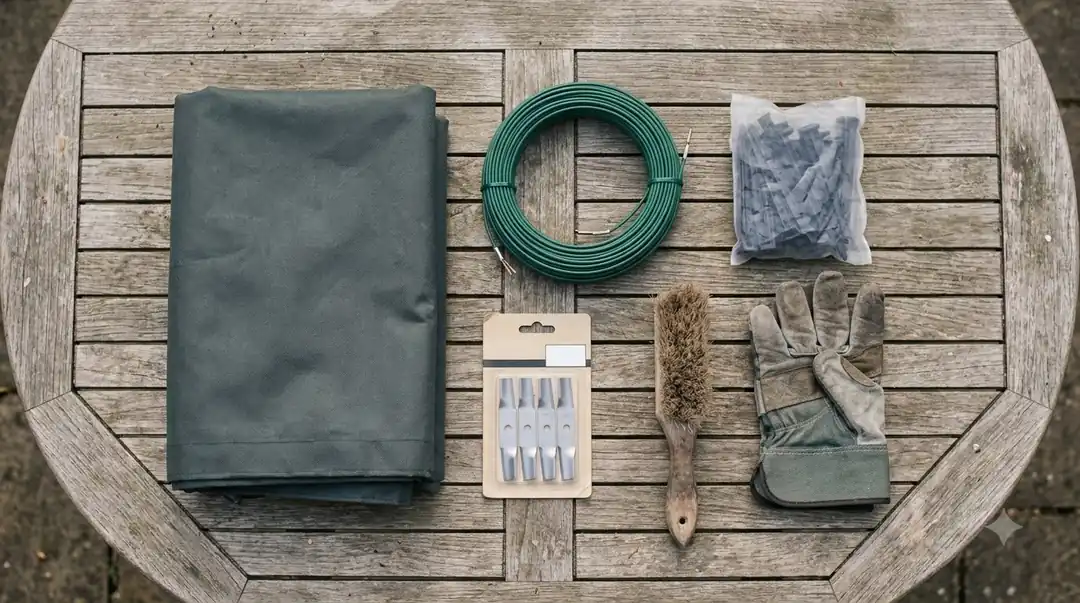
How to fit, ground, and maintain an outdoor PoE injector
Proper mounting geometry, drip loops, and earth grounding matter just as much as the injector’s IP rating for preventing water migration into your home network.
Heads up
Never run ungrounded outdoor Ethernet straight from a roof mast into an indoor router. Always bond the injector’s chassis ground lug and shielded cable drain wire to your building’s grounding electrode system in accordance with National Electrical Code (NEC) Articles 800 and 810, and consult a licensed electrician if you are unsure about local bonding rules.
- Mount the housing vertically with ports facing down. Fasten the injector’s mounting ears to a shaded exterior wall or under a soffit so gravity pulls rainwater away from the threaded cable glands.
- Use 100 percent solid-copper shielded outdoor cable. Avoid copper-clad aluminum (CCA) wire, which suffers higher resistance, voltage drop, and overheating under continuous PoE load. Pair UV-resistant shielded Cat5e or Cat6 (STP/FTP) with shielded metal RJ45 plugs so the foil drain wire connects cleanly to the injector’s grounded port shell.
- Form a 6-inch drip loop below every entry point. Leave a U-shaped slack loop in the Ethernet cable just before it enters the injector glands and before it penetrates the exterior wall, ensuring water drips off the bottom of the loop instead of wicking along the jacket.
- Bond the chassis ground lug. Connect a heavy-gauge copper grounding wire (typically 10 AWG to 6 AWG per local code) from the injector’s exterior grounding screw to an approved intersystem bonding termination or ground rod.
- Inspect seals and desiccant twice a year. Every spring before mowing season and every fall before winterizing, check that compression nuts remain snug, UV jackets show no cracking, and status LEDs indicate steady link and PoE delivery.
Frequently asked questions
Can I just put a standard indoor PoE injector inside a waterproof plastic box?
You can place an indoor injector inside a vented, weatherproof NEMA enclosure if it sits in a shaded spot, though you still need an inline outdoor Ethernet surge protector where the roof cable enters. Standard indoor bricks lack wide-temperature industrial components and chassis ground lugs, so an IP67 outdoor injector is generally safer and more compact.
How far can I run Ethernet from the PoE injector to a roof-mounted RTK station?
Standard IEEE 802.3af/at Power over Ethernet supports a maximum total cable length of 100 meters (328 feet) between your network switch, injector, and RTK station. If your roofline or outbuilding sits farther away, you can insert an IP67 PoE-powered inline extender every 100 meters to regenerate both data and power.
Do I need PoE+ (30 W) or PoE++ (60 W) for a robot mower RTK base station?
Most residential RTK reference stations draw between 4 W and 15 W, which falls well within standard 802.3af PoE (15.4 W) or 802.3at PoE+ (30 W). Because 802.3at PoE+ injectors are backward-compatible with lower-wattage devices and cost little more than basic 15.4 W units, an 802.3at model gives comfortable headroom without needing 60 W PoE++.
What happens if I plug an active PoE+ injector into a non-PoE RTK station?
Standards-compliant IEEE 802.3af/at injectors send a harmless low-voltage detection pulse first and will not apply 48 V to 57 V operating power unless the connected device responds with the proper signature. By contrast, passive PoE injectors send voltage continuously and can permanently damage an unpowered Ethernet port.
Sources
- Getting Started with Yarbo: FAQs, Tips, and Head-scratchers (Yarbo Community Wiki): Referenced for roof-mounted RTK Data Center PoE+ power draw measurements (54 V at 73 mA, under 4 W).
- TRENDnet TI-O119GI Outdoor IP67 Gigabit PoE++ Injector Specifications (TRENDnet): Referenced for IP67 housing ratings, -40°C to 75°C operating temperatures, 6 kV RJ45 surge protection, and 8 kV air ESD specs.
- PLANET IPOE-175 Industrial IP67 802.3bt PoE++ Injector (PLANET Technology): Referenced for industrial outdoor PoE pin assignments, 100-meter Cat5e/Cat6 cable limits, and wall-mount surge protection standards.
- Trimble NetR8 GNSS Reference Receiver User Guide (EarthScope / UNAVCO): Referenced for GNSS reference station PoE voltage limits (57 V DC maximum) and equipment grounding safety practices.
 Up next7 min readGearBest Outdoor Power Strip for RTK Base Station: 5 ChecksUpdated Nov 16, 2026
 10 min readGearRTK Base Station Power Cable Outdoor: What to Check FirstUpdated Nov 19, 2026
 9 min readGearBest Roof Mount for RTK Antenna: What to Check Before You BuyUpdated Nov 14, 2026
 7 min readGearRobot Mower Charging Station Extension Cable Outdoor: What to CheckUpdated Nov 19, 2026
 7 min readGearRobot Mower RTK Reference Station Tripod: Is It Stable?Updated Nov 20, 2026
 8 min readGearRTK Network Service for Robot Mower Without Base StationUpdated Nov 19, 2026