
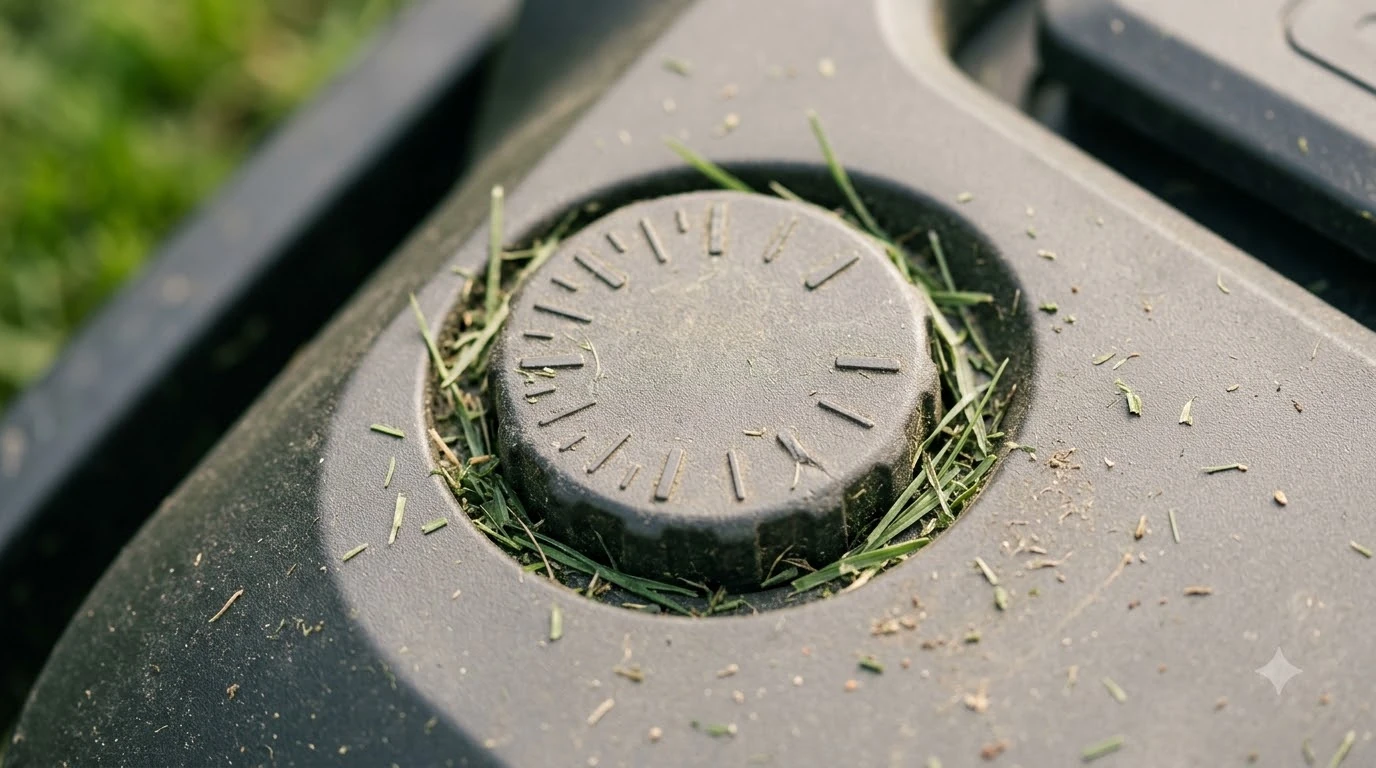

How to read a robot mower spec sheet comes down to one habit: check the test conditions behind each figure before you compare models. Manufacturers choose their own conditions, so a rated lawn area or slope is a starting point, not a promise for your yard.
This guide on how to read a robot mower spec sheet explains the specs that matter most, the terms that hide limits, and a checklist for comparing two sheets side by side.
The short answer
- Test basis: every figure assumes conditions the maker chose, so ask what they were.
- Rated area: a theoretical maximum that assumes the grass is cut about twice a week.
- Slope: listed as a percentage, sometimes with separate figures for different conditions.
- Noise: compare decibel ratings only at the same distance and measurement method.
- Battery: capacity in amp-hours brings longer runtime, but also slower charging and more weight.
What the rated lawn area really means
A robot mower’s rated lawn area is a theoretical maximum that assumes the grass is cut about twice a week, so check whether your schedule fits that. The UK glossary at The Robot Mower describes it as the theoretical lawn size a mower can handle, sometimes stated with a plus or minus tolerance. According to that glossary, the figure assumes all the grass is cut twice a week, with the mower running seven days at its maximum schedule.
The tolerance is hard to use. The glossary says a “+/- x %” figure is sometimes stated but gives no value for it, so you cannot tell how far a rating can move without asking the maker. The glossary also notes that travel between areas and long, narrow lawns reduce the usable area, so a yard that fits the rating can still get less real coverage than the number suggests. Our explainer on robot mower coverage ratings goes deeper.
Segway Navimow’s spec comparison page shows two area figures for each model, next to a separate recommended lawn size. The fetched text does not state exactly which of the two area figures is the per-charge area, so treat them as two different numbers until the maker explains them.
| Navimow model | Area figures on the page | Recommended lawn size |
|---|---|---|
| i205 / i208 AWD | 125 m² / 250 m² | 500 to 1,000 m² |
| i208 / i215 / i220 LiDAR | 265 m² / 426 m² / 560 m² | 800 to 2,000 m² |
| i210 / i220 LiDAR Pro | 195 m² / 470 m² | 1,000 to 2,000 m² |
| X420 / X450 | 675 m² / 1,300 m² | 2,000 to 5,000 m² |
Our reading is that the recommended size is the most useful number for a first comparison, because it tells you what the maker expects the mower to handle in a normal yard. A cross-check like this is a good first step when you compare sheets.
Slope ratings: three figures for three conditions
Robot mower slope is listed as a percentage, and a sheet may give up to three figures that each apply under different conditions. The glossary describes three of them, and each one should be read separately when you compare sheets.
- Maximum permissible slope: the steepest the mower can manage away from the perimeter wire in good conditions. The glossary says it may be reduced on slippery, bumpy or sparse grass.
- Maximum slope: the limit under normal conditions away from the wire. Above it, the mower may slip.
- Slope at perimeter wire: applies within 0.5 m of the wire and is lower than the maximum slope.
Navimow lists its figures as a percentage with the degree equivalent in brackets: the i2 AWD and i2 LiDAR at 45% (24°), the i2 LiDAR Pro at 55% (29°), and the X4 at 84% (40°). The page does not say which of the three glossary definitions its figures use. Our reading is that you should plan around the lowest figure that applies to your steepest section, not the lawn average. Our guide to how robot mower slope ratings work covers the terms in more detail.
Cutting height and cutting width
The cutting height line is often the quickest one to check. Cutting height is measured from the bottom of the wheels to the bottom of the blade, and the glossary puts most lawns at about 40 to 45 mm. Fixed-height models offer set heights, such as 30, 40 or 50 mm, while adjustable models cover a range. The glossary describes 25 mm as very close.
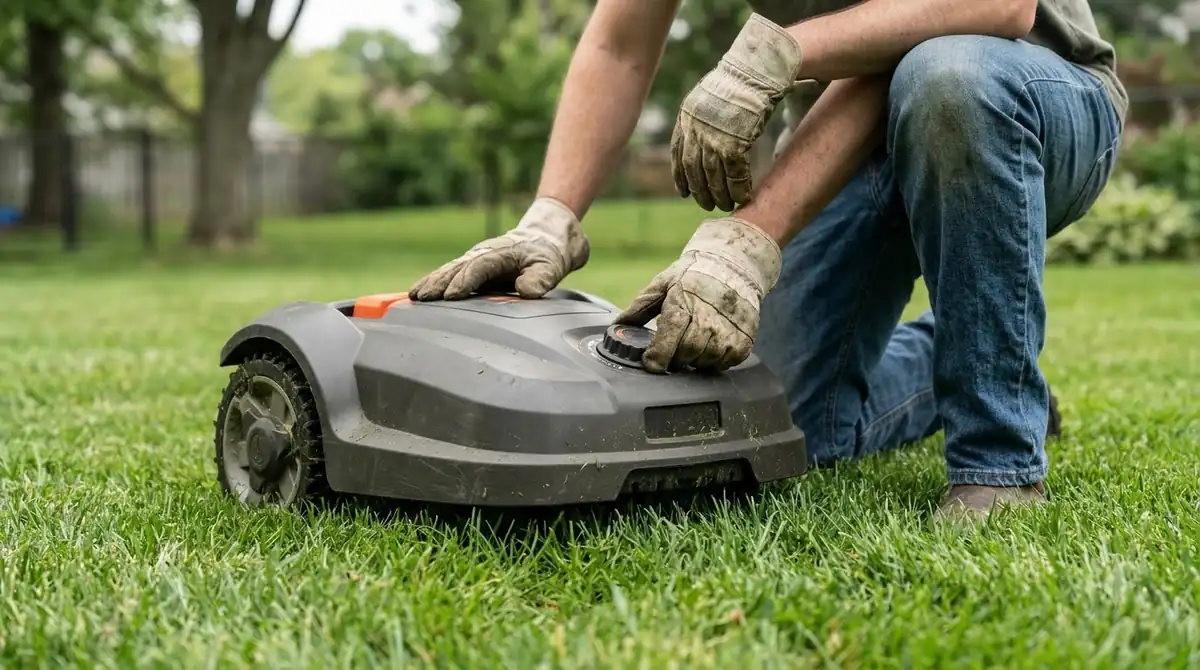
Cutting width is the width the mower cuts in one pass. The glossary equates it with the blade diameter, so a wider number means each pass covers more ground. Our reading is that the range on the sheet matters more than any single figure: a mower whose lowest setting is 40 mm cannot give you a 25 mm cut.
Noise levels in decibels
Noise is one line on a spec sheet that many buyers skip. Most robot mowers measure around 50 to 60 dB, far quieter than gas mowers at 90 to 100 dB, according to the same glossary. A decibel figure only tells you how loud the machine is at the distance and method used to measure it.
The glossary says noise falls by about 6 dB each time the distance doubles, and it assumes comparable measurement methods. That makes a dB number hard to compare across brands when the distance is not stated. Learning how to read a robot mower spec sheet includes this step: if two sheets quote different distances, adjust them with that 6 dB rule before you decide, or ask both makers for the same test distance. For everyday loudness, read how loud robot lawn mowers are.
Battery, runtime and charging figures
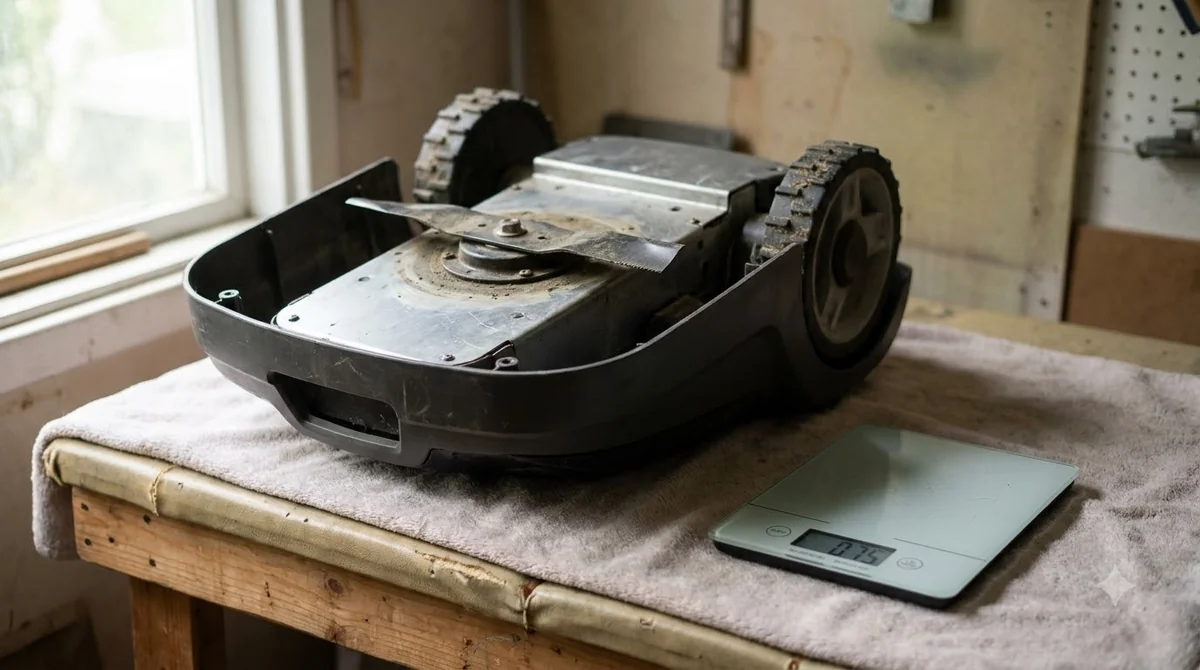
Battery capacity is listed in amp-hours (Ah), and runtime and charging times both depend on that capacity and the charger. The battery figure is one of the most useful lines on the sheet. The glossary says higher capacity gives longer runtime, but also slower charging and a heavier mower. Capacity is usually quoted for lithium batteries, so find the battery line first. The battery side has its own guide on how long robot mower batteries last.
| Term | What it means | Watch for |
|---|---|---|
| Average working time | Time the mower can cut on a full charge | Whether it covers your typical run |
| Robot free time | Total scheduled window, including charging | Whether it fits your schedule |
| Capacity degradation | Percentage loss over charge cycles | Rarely published by manufacturers |
Charging time varies with battery capacity and charger power, and the glossary gives no duration. Our reading is that a runtime figure answers only one question, how long the mower cuts on a full charge. It does not say how much lawn it covers in a day, which depends on the schedule and the shape of your yard.
Test conditions and marketing traps
Every figure on a spec sheet comes from test conditions the manufacturer chose, so ask how those conditions differ from your own yard. Knowing how to read a robot mower spec sheet means spotting assumptions that are easy to miss.
- The rated lawn area assumes cutting twice a week, seven days at the maximum schedule.
- The slope figures assume good or normal conditions, and the glossary gives no further detail on how they were tested.
- The glossary does not describe a standard test protocol for any of these figures.
- For the IP rating, check the sheet and the manual for what it covers, including whether it applies to the charging station. Our guide to robot mower IP ratings explains the codes.
Our reading is that the most useful question for any spec is what conditions produced it, and how those differ from your lawn, slope, grass height and weather. A higher figure measured under easier conditions may not beat a lower figure measured under the conditions you have.
How to read a robot mower spec sheet: a checklist
Before you compare two robot mowers, use these steps on how to read a robot mower spec sheet: check the rated area and its test basis, the slope figure for your yard, the cutting height range, the noise figure with distance, and the battery and runtime definitions.
- Rated area. Confirm it assumes a cutting schedule that matches your lawn.
- Slope. Use the figure that applies to your steepest area, and note the lower figure that applies near the perimeter wire.
- Cutting height. Compare the lowest setting with the grass height you want to keep.
- Noise. Compare decibel ratings only when both sheets state the same distance and method, which is the step most readers skip.
- Battery and runtime. Confirm which runtime term the sheet uses, and check the charging figure against the charger listed.

Frequently asked questions
What does a robot mower’s rated lawn area mean?
This is the first figure to check on a spec sheet. The rated area is a theoretical maximum that assumes the grass is cut about twice a week, seven days at the maximum schedule. According to the glossary, travel between areas and long, narrow lawns reduce the usable area, so a yard inside the rating may still get less real coverage than the figure suggests.
How steep can a robot mower go?
The answer depends on which slope figure you read. The glossary describes a maximum permissible slope in good conditions, a maximum slope in normal conditions, and a lower slope within 0.5 m of the perimeter wire. Note that slope is given as a percentage, so compare it with your steepest section, not the lawn average.
Does a higher battery Ah always mean a better mower?
Not always. According to the glossary, higher capacity usually gives longer runtime, but it also means slower charging and a heavier mower. Read the runtime definition on the sheet, since average working time and robot free time measure different things, and check the charging figure against the charger listed.
Is a lower dB number always quieter?
Not necessarily. Noise falls by about 6 dB each time the distance doubles, so a figure measured at a longer distance can look lower than one measured closer. Learning how to read a robot mower spec sheet means comparing dB ratings only when both sheets state the same distance and measurement method.
Sources
- Robot Lawn Mower Glossary: Know the Terms, Buy Smarter (The Robot Mower): definitions of rated area, slope, cutting height and width, noise, and battery and runtime terms.
- Spec & Compare: Segway Navimow robot lawn mowers (Segway Navimow): lawn area figures, recommended lawn sizes and slope ratings for the i2 and X4 models.
 Up next8 min readBest Robot MowersWhich Robot Lawn Mower Is Best for Uneven Ground: 3 SpecsUpdated Nov 11, 2026
 8 min readBest Robot MowersMost Powerful Robot Lawn Mower: What the Specs Really MeasureUpdated Nov 11, 2026
 8 min readBest Robot MowersBest Robot Lawn Mower for Texas Lawns: 4 Specs to CheckUpdated Nov 11, 2026
 8 min readBest Robot MowersHow Much Electricity Does a Robot Mower Use?Updated Nov 11, 2026
 9 min readBest Robot MowersQuestions to Ask Before Buying a Robot MowerUpdated Nov 11, 2026
 7 min readBest Robot MowersRobot Mower Mowing Patterns: Random vs Striped ExplainedUpdated Nov 11, 2026