


Which wireless robot mower is the most reliable depends on evidence most buyers cannot get yet. No independent source reviewed for this guide names one wireless robot mower as the most reliable. The tests that exist run for weeks, not years, so reliability has to be judged by warranty, service access, navigation fit and maintenance. As of 2026-11-10, that is the honest starting point for any wireless model.
The useful question is which mower will hold up in your yard, not which brand has the best reputation.
The short answer
- No single winner: the independent testing reviewed here does not rank long-term breakdown rates.
- Navigation matters: RTK GPS, LiDAR and vision each struggle in different conditions, such as tree cover, rain or low light.
- Warranty and service decide ownership: proof of purchase and a local dealer or authorized center are what make a warranty usable.
- Maintenance is part of reliability: blades, sensors and batteries need regular attention and replacement.
Which wireless robot mower is the most reliable? No independent test says
No independent test reviewed here names a wireless robot mower as the most reliable, because the tests measure other things over a short period. The most detailed independent review found comes from Consumer NZ, an independent consumer organization in New Zealand. It reports testing more than 10 models from 8 brands, and each mower runs a four-week test on a 200 square meter lawn.
The same organization says its test has no dedicated long-term reliability component. It inspects each mower to check the robustness of its construction, but a four-week run cannot show how a mower behaves after several seasons of rain, slopes and battery wear. Our reading is that a short test is useful for cutting quality and safety, not for predicting breakdown rates.
Some roundups name a single model as the most reliable. Without a long-term reliability test behind it, treat such a claim as an opinion, not a measured result.
What reliability depends on
Reliability depends on build quality, how the mower is maintained, how well its navigation fits the yard, and how easily parts and batteries can be replaced. Consumer NZ lists routine care that affects how long a mower keeps working well (our robot mower maintenance checklist turns that into a schedule):

- Blades: replace them every month or two.
- Sensors, blades and wheels: inspect and clean them weekly, and check the battery contacts for rust.
- Service: most manufacturers require or recommend an annual winter service at a specialist service center, which feeds into robot lawn mower service life.
- Battery: batteries need replacing every few years, so check the replacement cost and whether it is available locally. See robot mower battery life for what affects wear.
Boundary wire is a separate factor. Consumer NZ notes that physical boundary wires can be damaged and disrupt mower operation, while virtual boundaries cannot be damaged. Wireless models still depend on satellite signal in some setups, and the same guide says tall trees, buildings or a valley can interfere with that signal. A wire-based model may therefore suit a yard with poor reception, which is a trade-off for that property rather than a verdict on which design is more reliable.
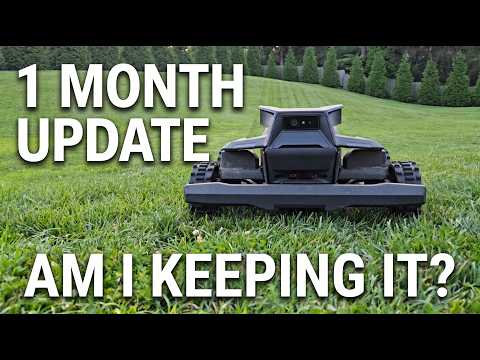
Wire-free navigation: RTK, LiDAR and vision
Wire-free mowers navigate with RTK GPS, LiDAR, cameras, or a combination of these. Each method has limits that show up in specific yards, and the brand Mammotion describes those limits on its wire-free navigation page. The table below uses the conditions that page names, which matter when you judge which wireless robot mower is the most reliable for your own yard. For a fuller side-by-side, see RTK, LiDAR and vision compared.
| Method | What it uses | Stated limit |
|---|---|---|
| RTK GPS | Satellite signal plus a correction from a reference station | Centimeter-level accuracy per the brand, but affected by dense tree cover, tall structures and challenging terrain |
| LiDAR | Laser scanning to map the yard | Reduced accuracy in heavy rain or with highly reflective surfaces; helps where satellite view is limited |
| Vision (AI camera) | Cameras that read edges and obstacles | Influenced by low light, heavy shadows, fog and extreme weather |
Mammotion also says LiDAR, vision and positioning calculations all use more power than basic wired systems. The brand’s Tri-Fusion approach combines RTK, LiDAR and vision, and the brand says it keeps positioning highly accurate across conditions, but the sources reviewed here do not include independent long-term data that proves a combined system is more reliable. Our reading is that more sensors add more parts to check and maintain.
Match the mower to your yard
Slope, tree cover and rain decide which wireless mower will hold up, and some claimed ratings do not match real conditions, so which wireless robot mower is the most reliable can differ from one yard to the next. Consumer NZ tested slopes of 19 degrees, or 35 percent, and reports that some models performed better than their manufacturers’ claims.
- Slope claims: some user manuals tell owners to run the mower on its maximum claimed slope for short spells only.
- Rain: fewer than half of the models Consumer NZ tested had a rain sensor, and a sensor sends the mower back to its base when it detects rain.
- Wet grass: the same guide says mowers usually cut better in dry conditions, so a wet climate changes how a mower performs.
- Tree cover: the brand says RTK can be affected by dense tree cover and that LiDAR performs well with limited satellite visibility, so a yard under mature trees calls for a closer look at the navigation method.
For a yard that matches the test conditions, a model that performs well in a short test is a reasonable candidate. For a yard with heavy shade, steep slopes or frequent rain, the claimed ratings are the starting point, not the answer.
Warranty, parts and service
A manufacturer warranty covers defects from normal use, but you need proof of purchase and a dealer service route to use it (how robot mower warranties work explains the common terms). For anyone weighing which wireless robot mower is the most reliable, the warranty is the one commitment that is written down. Husqvarna’s warranty page says coverage applies to defects that come from improper material or workmanship under normal use and maintenance.
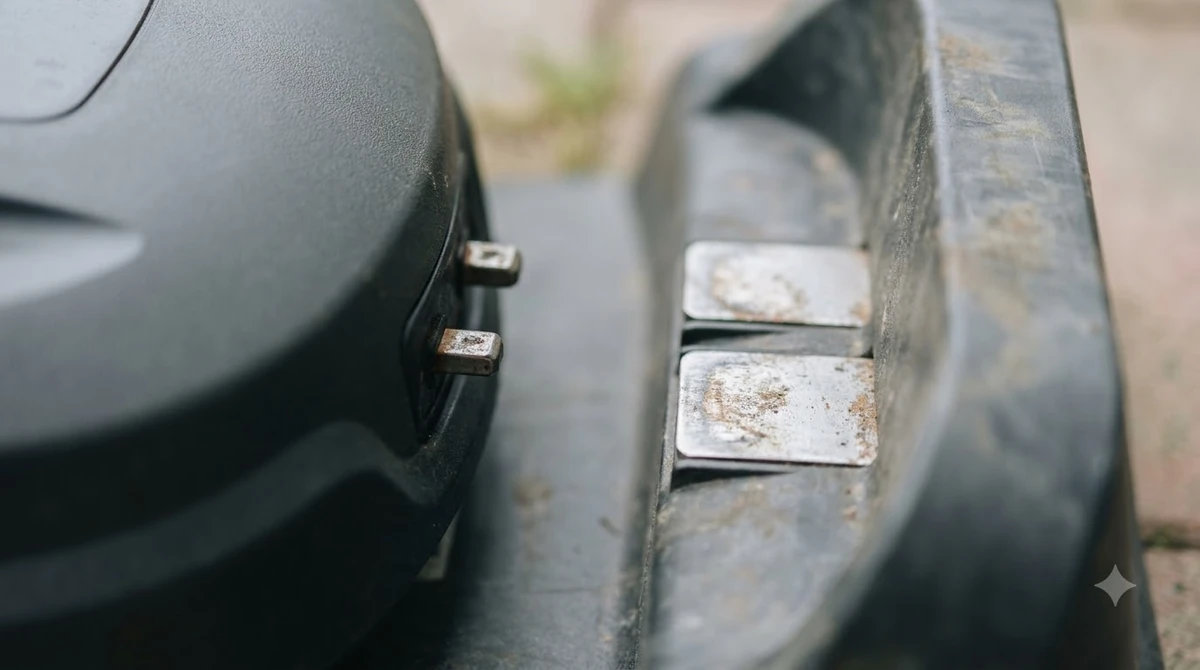
A claim needs proof of purchase that shows the purchase date, the model and serial numbers, and the dealer’s name and address. Service is handled by returning the product to the dealer, or to an authorized service center the dealer recommends. The page does not state a warranty length for Automower mowers, so check the written statement for your exact model and year before you buy.
What to check before you buy
Before buying, check the warranty terms, the service route, navigation fit for your yard, and parts availability. Asking which wireless robot mower is the most reliable only gets a useful answer when these five points are checked, because they show how a specific model will behave in your conditions.
- Read the warranty. Get the written statement for your exact model and check its length and exclusions.
- Keep proof of purchase. Save the receipt with the model and serial numbers.
- Confirm service access. Find a dealer or authorized center near you and ask about the annual winter service.
- Match navigation to the yard. Compare tree cover, slope and rain against the limits listed above.
- Check parts. Confirm the replacement battery and blade price and whether stock is available locally.
Frequently asked questions
Which wireless robot mower is the most reliable according to independent tests?
None is named by the independent sources reviewed for this guide. The tests found run about four weeks and do not measure long-term breakdown rates. Use the warranty terms, service access and your own yard conditions to judge reliability.
Does a wire-free robot mower need open sky?
RTK GPS depends on a clear satellite signal, so dense tree cover and tall structures can interfere with it. The brand Mammotion says LiDAR helps in yards with limited satellite visibility, and vision systems have their own limits in low light and fog.
Are boundary-wire mowers more reliable than wireless ones?
Neither design is proven more reliable in the sources reviewed. Consumer NZ says physical wires can be damaged and disrupt operation, while virtual boundaries cannot be damaged. Each design has trade-offs, and the right choice depends on your yard.
How often should a robot mower be serviced?
Consumer NZ advises replacing blades every month or two and inspecting sensors, blades and wheels weekly. Most manufacturers also require or recommend an annual winter service at a specialist service center.
Sources
- Husqvarna warranty page (manufacturer): coverage terms, proof of purchase and service route.
- Consumer NZ robot lawn mower guide (independent consumer organization): maintenance, boundary wire, rain sensors and slope tests.
- Consumer NZ how we test (independent consumer organization): test length, lawn size and the absence of a long-term reliability test.
- Mammotion wire-free navigation article (manufacturer): RTK, LiDAR and vision limits and power use.
 Up next7 min readBest Robot MowersBest Wireless Robot Mower for 1/3 Acre Lawn: What to CheckUpdated Nov 11, 2026
 9 min readBest Robot MowersSmartest Robot Lawn Mower: How to Judge Smart FeaturesUpdated Nov 11, 2026
 8 min readBest Robot MowersMost Accurate Robot Lawn Mower Navigation for Your YardUpdated Nov 11, 2026
 8 min readBest Robot MowersMost Powerful Robot Lawn Mower: What the Specs Really MeasureUpdated Nov 11, 2026
 8 min readBest Robot MowersMost Popular Robot Lawn Mower in the US: What Sources Can ConfirmUpdated Nov 11, 2026
 8 min readBest Robot MowersWhat Is the Best Robot Mower for a Corner Lot?Updated Nov 11, 2026