
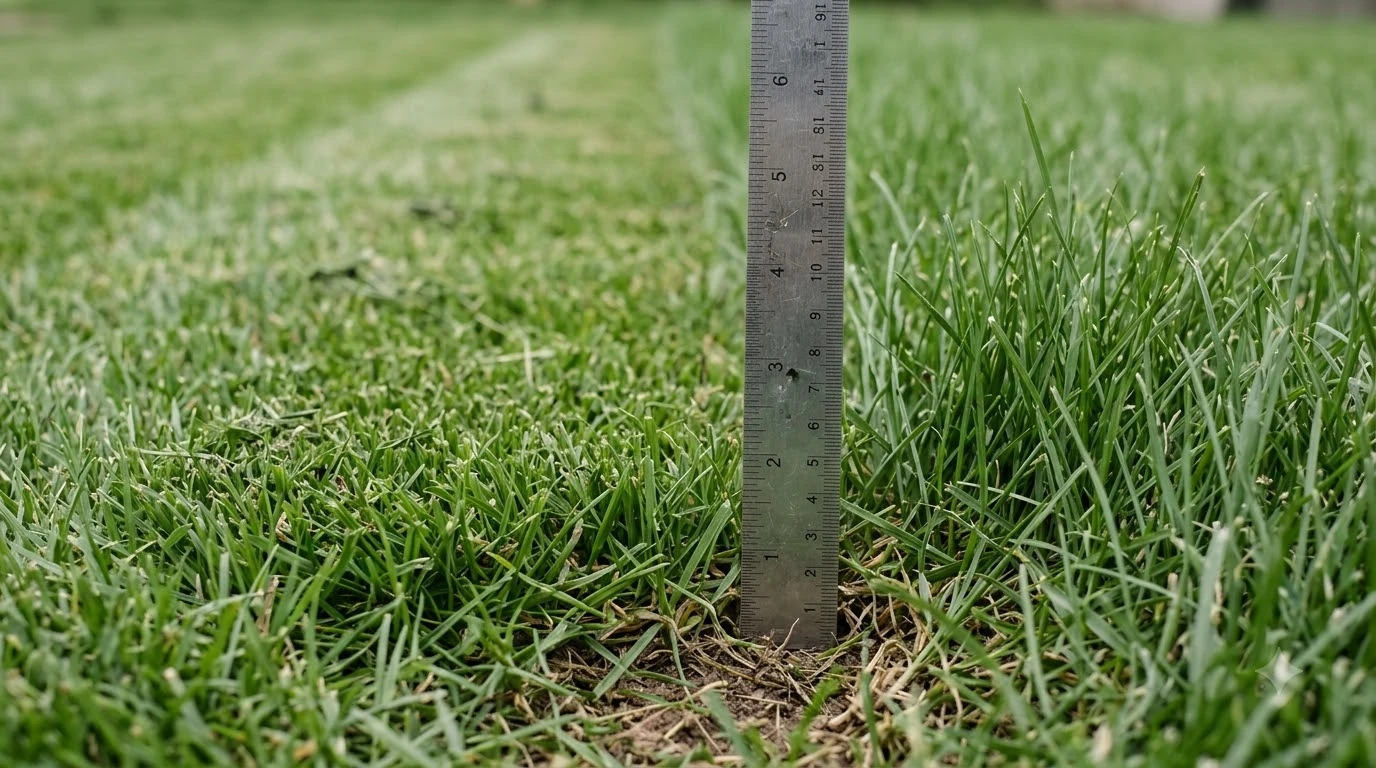

Robot mower vs letting the lawn grow into a meadow is a choice between a tidy lawn you keep cutting and a wilder space that takes time to build. A robot mower keeps grass at one height on a schedule. A meadow stops mowing, lets a mix of plants and flowers take over, and cuts back only once or twice a year. Each choice has real costs, so the better fit depends on how you use the yard.
The short answer
- Choose a robot mower if you want a level, usable lawn for play, pets, or entertaining, and you do not mind regular cutting.
- Choose a meadow if you want more habitat for bees, butterflies, and birds, and you can accept a slower, less uniform look for a few years.
- A meadow is not a month of skipped mowing. Establishing one takes planning, seeding, and weeding, and it can take a few years to settle.
- You can split the yard. Keep a mowed path and play area, and let the back corner or a slope turn into a meadow.
What a robot mower keeps and what a meadow gives up
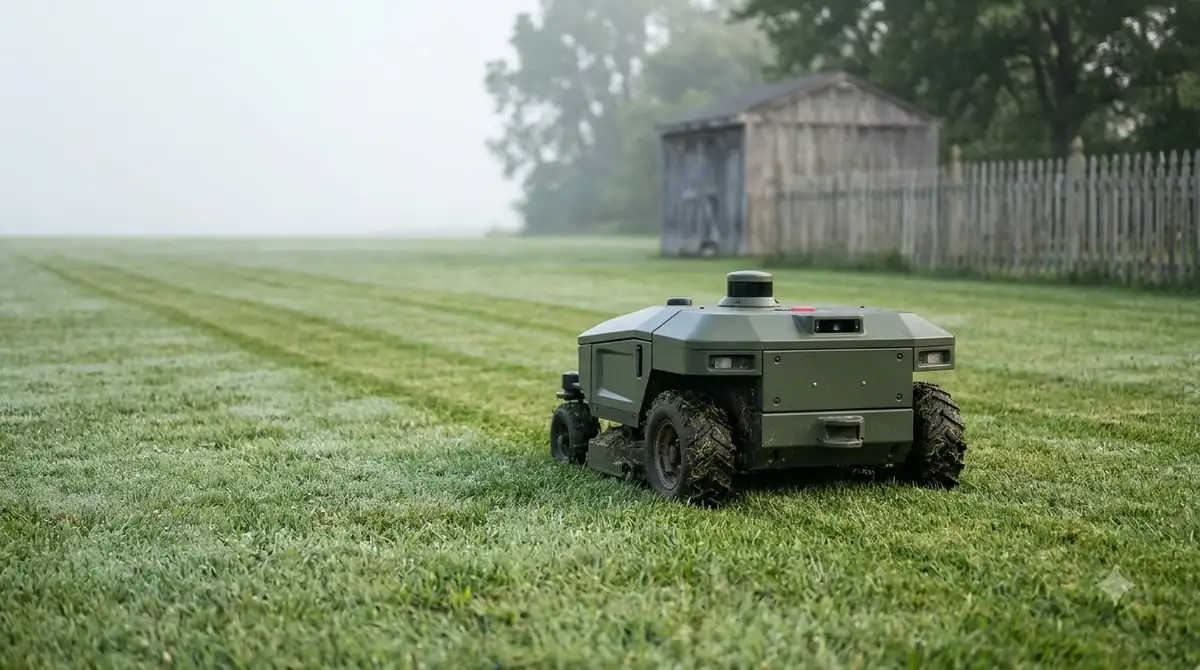
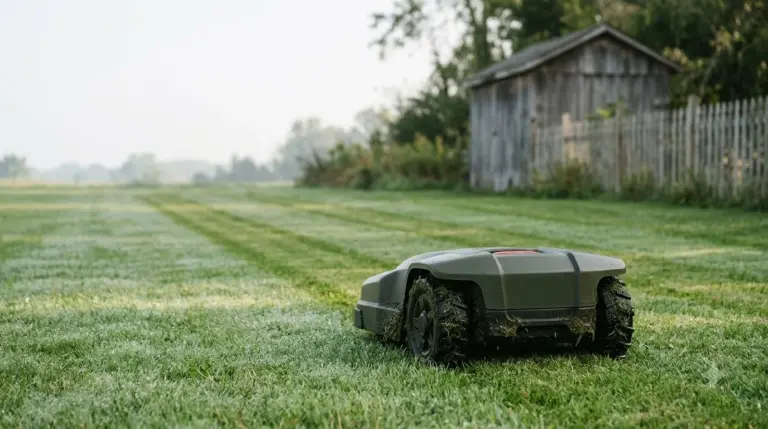
A robot mower is a battery-powered machine that cuts grass on a schedule and returns to its dock. It keeps the lawn short, even, and easy to walk on. The grass stays the same species, and the look stays neat. If that is what you want, a robot mower does the work without you pushing a mower. Mowing costs are the baseline for any alternative, and cost of robot against gas mowing sets that baseline.
A meadow changes what the space is for. You trade a uniform lawn for a mix of grasses, wildflowers, and seed heads. Mowing drops to a yearly or twice-yearly cut, which is why meadows appeal to people who want less upkeep. The trade is a less even surface and more variety in height and color through the seasons.
The key difference is not effort but purpose. A robot mower serves a lawn you walk on. A meadow serves plants and the animals that depend on them.
Robot mower vs letting the lawn grow into a meadow: how long it takes
Converting a lawn takes longer than most people expect. The NC State Extension case study by Steve Pettis, which describes a Henderson County front lawn converted to a pollinator meadow, shows the work in order: kill the existing grass, prepare the soil, seed, water, and weed. In that project, planning started in summer 2023, seeding happened in April 2024, and the meadow was visibly filling in by July 2024. The article gives no total duration, so it is best to plan for a multi-year transition rather than one season.
The case study also lists the tasks you cannot skip: read the herbicide label and wear protective gear if you use one, aerate rather than till on slopes, and water about one inch a week after seeding. Those tasks are the real start-up cost of a meadow.
Heads up
A meadow does not form by skipping mowing alone. Without seeding, a lawn that stops being cut mostly turns into a patchy, weedy lawn with taller grass.
Mowing, weeds, and the look
Letting grass grow long without planting is a different project from a meadow. Growing a lawn out for a short window has its own problems. The UK charity APL, in its guidance on “No Mow May”, notes that a lawn may show yellow-brown patches for a couple of weeks after a long grass period is cut back, and that grass which has not been cut may thin, so you may need to overseed in autumn. The same source says some people dislike the look of an overgrown lawn and that hay fever sufferers may not enjoy long grass. Another natural option for managing growth is grazing animals for grass control, which suits larger plots.
Weeds are the most common complaint with meadows. The NC State case study says weeds still grow and need frequent hand-pulling, especially in the first seasons. Our reading is that a meadow is most rewarding where you accept some untidy edges and are willing to pull weeds early rather than let them set seed.
A robot mower, by contrast, keeps weeds down by cutting the grass often, but it does not stop broadleaf weeds on its own. You still need a plan for them.
Benefits of a meadow over a lawn
The main gain is habitat. The NC State author argues that a meadow supports native bees, butterflies, birds, reptiles, and amphibians, helps connect fragmented habitats, and can help manage stormwater. The same case study notes that dried flower stalks left standing give winter seed food and insect shelter. A mowed lawn gives little of that. A meadow is one of several low-mowing options, and no-mow alternatives to a grass lawn covers the others.
The APL guidance adds that longer grass shades the soil and can help it stay cooler in summer, and that deeper roots can make the grass more resistant to drought and frost. Those gains depend on the plants you grow and your climate, so treat them as a general pattern rather than a guarantee.
Costs, time, and effort
A robot mower has a purchase price, a battery that eventually needs replacing, and regular checks on blades and the dock. Its ongoing work is low, but it does not stop the mowing schedule. A meadow has a lower ongoing cost once established, but the start-up needs seed, soil work, weeding, and watering for the first season. The actual price varies with your region and the seed mix, so get local quotes rather than relying on one estimate. Effort and cost can also be reduced with artificial turf instead of mowing, though it works differently from a meadow. Costs over time depend on repairs, so see robot mower brands by reliability record before committing.

Who each option suits
A robot mower suits a family yard, a pet area, or a front lawn you want kept neat. It also suits anyone who wants a lawn that is always ready for use. A meadow suits a back corner, a slope that is hard to mow, or a yard where pollinators are a goal. Many owners do both: a robot mower keeps a path, a sitting area, and the play zone, while the rest turns into a meadow. If you want someone else to handle upkeep, see hiring a landscaping company for what it covers and costs.
What to check before you decide
Look at how you use the yard. If children or pets run across it daily, keep a mowed zone. Walk the space at different times of year and note any bare spots and slopes. Check local rules for long grass, since some towns limit grass height. Then decide how much weeding you will do in the first two seasons, because that is where most meadows succeed or fail.
Frequently asked questions
Can I turn my lawn into a meadow by just not mowing?
Not reliably. Skipping mowing changes the grass height, but a real meadow needs planting. Without seeding, you mostly get a patchy, weedy lawn.
Does a robot mower work on a meadow?
Only in the mowed zones. A meadow with tall flowers and seed heads is not a good job for a robot mower, so keep a mowed path or play area for it.
How long does a lawn-to-meadow change take?
The NC State case study does not give a total duration. Its project ran from planning in summer 2023 to a visibly filled meadow by July 2024, so plan for a multi-year transition.
Will a meadow look messy to neighbors?
It can. Some people dislike the look of an overgrown lawn. Keeping a clean mowed edge around the meadow often helps it look planned rather than neglected.
Sources
- NC State Extension, Henderson County (case study by Steve Pettis): meadow conversion steps, timeline, benefits, and drawbacks.
- APL, The pros and cons of No Mow May: recovery of yellow-brown patches, overseeding, allergy concerns, and weeds.
 Up next8 min readReviews & CompareRobot Mower vs Battery Push Mower: Cost, Time and Lawn SizeUpdated Nov 17, 2026
 7 min readReviews & CompareRobot Mower Subscription vs No Subscription: Which Brands ChargeUpdated Nov 14, 2026
 7 min readReviews & CompareUltrasonic vs Camera Obstacle Avoidance in Robot MowersUpdated Nov 17, 2026
 7 min readReviews & CompareRobot Mower vs Artificial Turf: Heat, Upkeep, and CostUpdated Nov 14, 2026
 7 min readReviews & CompareLithium vs Lead Acid Robot Mower Battery: Which Lasts LongerUpdated Nov 17, 2026
 7 min readReviews & CompareRefurbished vs New Robot Mower: Warranty, Battery and App ChecksUpdated Nov 17, 2026