
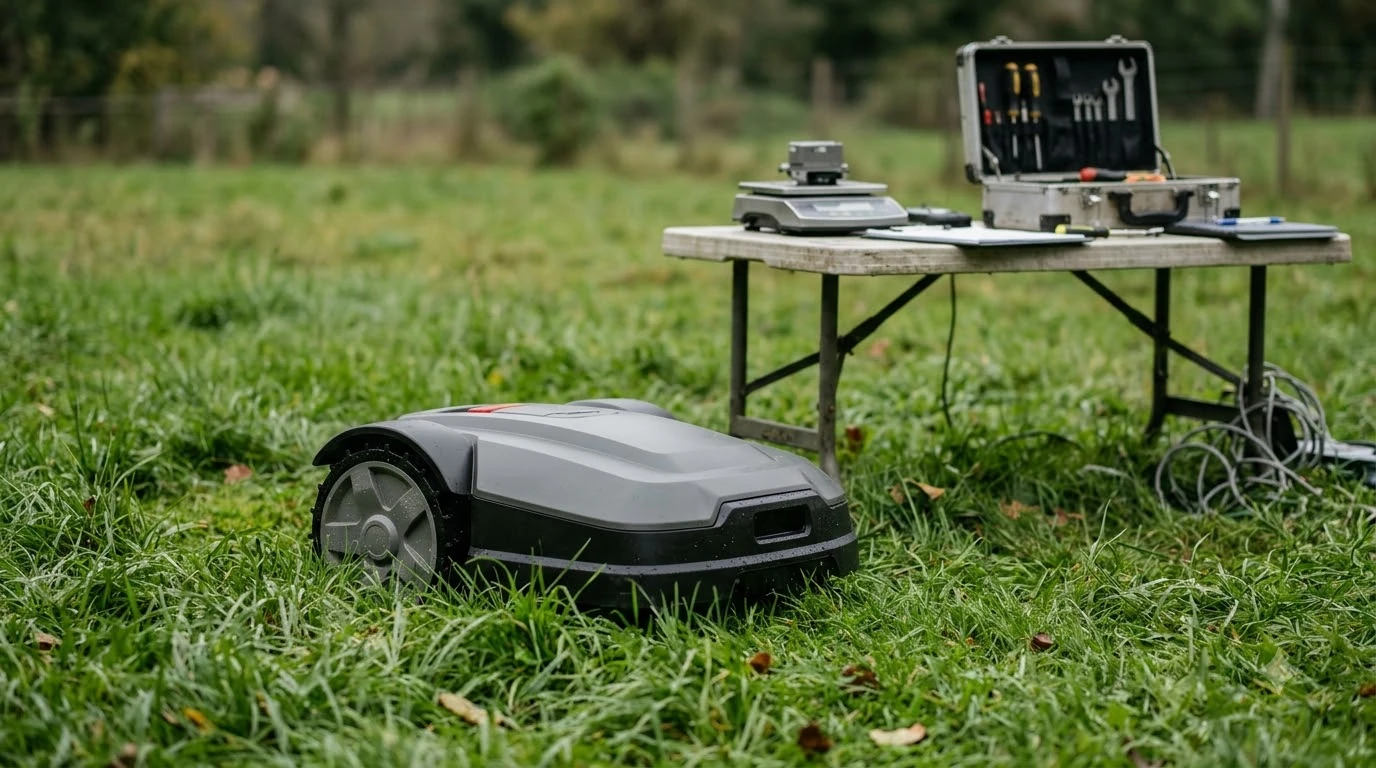

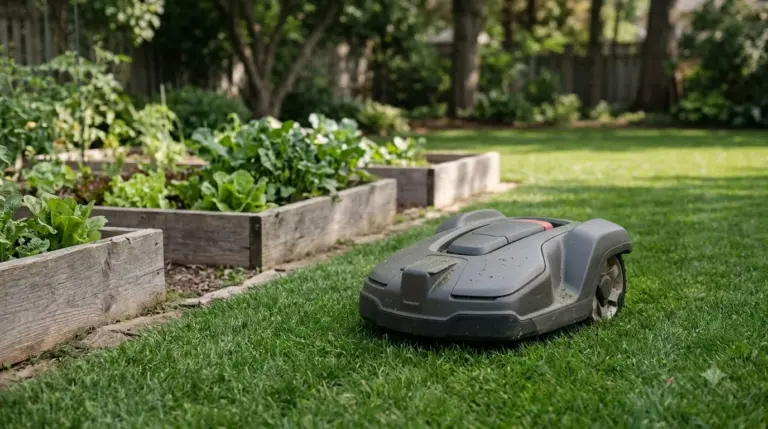
The best robot mower for people with allergies is an electric model that runs on a schedule you control, with a cutting system that keeps clippings low and a quiet, reliable setup. A robot mower does not remove pollen from the air, but it lets the person with allergies stay indoors while the lawn is cut, and an electric machine produces no exhaust. The rest of the choice depends on how often the lawn needs cutting and when the mower runs.
The short answer
- Choose an electric mower so there is no engine exhaust near the house or the person doing outdoor chores.
- Schedule runs for low-pollen hours, such as cool, cloudy days or the time after rain, when extension sources say pollen counts are lower.
- Keep the lawn cut regularly but not scalped, since very short grass can shed pollen soon after mowing.
- Keep the mower and the charging station clean, because grass residue on the deck can build up and be moved around the yard.
Why a robot mower can help with grass allergies
Mowing is one of the main outdoor tasks that exposes people with grass pollen allergies. University extension advice on pollen typically recommends that a non-allergic person do the mowing when possible, and that anyone who must mow wear a dust mask. A robot mower removes the need for a person to walk behind the machine, so the person with allergies can keep the windows closed and stay indoors during the cut. That is a real benefit, but it does not make the lawn pollen-free, so it works best as part of a plan rather than a cure. Allergy needs are one lifestyle factor among many, and mowers for different lifestyles puts them in context. Handing off the work helps people who cannot push a machine, as mowers for limited mobility shows. Physical strain is another reason to automate, as mowers for people with back pain explains.
The other advantage is the engine. Electric robot mowers run on batteries and produce no exhaust, which removes one common irritant from the yard. Gas mowers can release fumes close to the house, so the switch to a battery model is often the first change people with sensitive airways notice.
Pick the schedule before the model
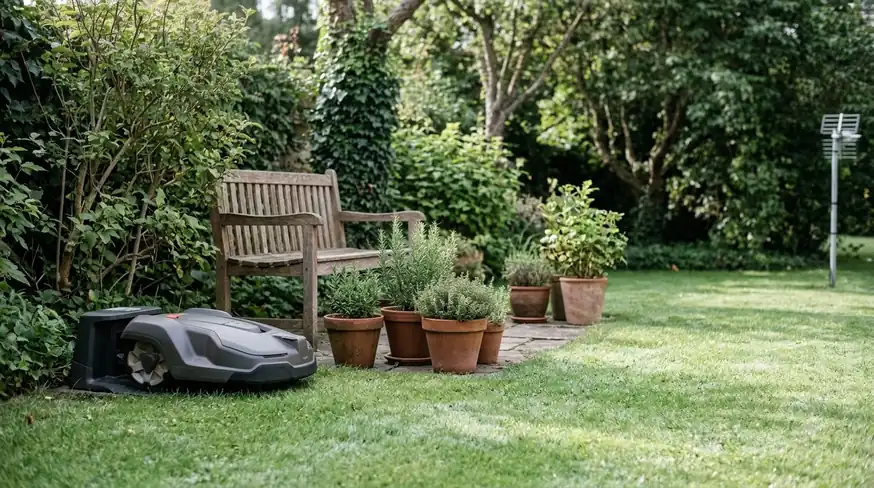
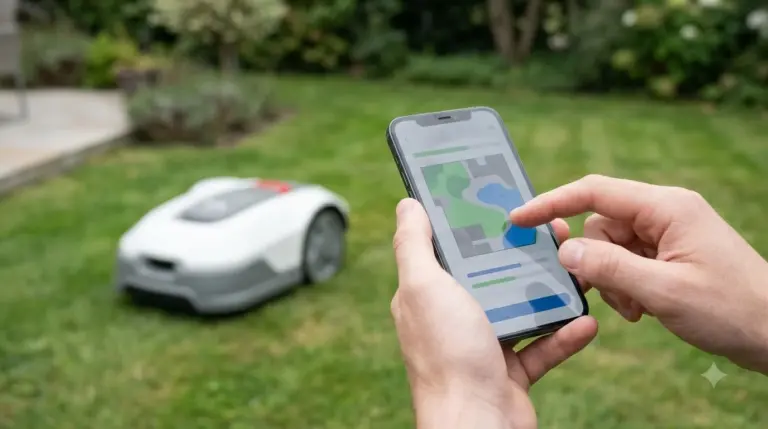
Pollen levels change through the day and across the week. UGA Extension notes that pollen counts tend to be higher on sunny, dry days and lower on cool, cloudy days or after rain. A robot mower can be set to run in the cooler or wetter periods, which is one of the few times a scheduled machine has a clear advantage over a person mowing whenever it fits. Check the scheduling options on any model you consider, including whether it can pause for rain and how easily you can change run times from your phone. Working at home also influences the schedule, as mowing around a home office describes. Planning around absences is covered in mowers for frequent travelers for readers who want more detail on the subject. Once the mowing schedule is set, daily handling matters, and a look at simple robot mower operation shows which models need the fewest manual steps. Allergy-friendly scheduling often goes hand in hand with low-effort ownership, as the guide to a robot mower for seniors and retirees shows.
Our reading is that the schedule should match your grass growth rate, not just the calendar. Fast-growing turf needs more frequent runs, which means more pollen-season exposure if the mower runs on a sunny day. Start with a schedule that keeps the grass from getting long, then adjust once you see how often the lawn needs trimming.
Cutting height and how grass sheds pollen
Keeping the lawn cut regularly is part of managing pollen, but scalping the grass is not. UGA Extension notes that some turf, including Bermuda grass, can produce abundant pollen and shed it when the lawn is kept very short, sometimes within a few days after mowing. Set the mower to a height that keeps the lawn tidy without cutting it to the soil, and avoid removing more than about a third of the blade height in one run. Dense turf sheds differently, as how thick grass affects mowing explains as a useful companion to the points in this section.
Also think about the grass species. UGA suggests that tall fescue or bunching grasses may be better choices for allergy-prone yards in some regions. If you are planting or overseeding, talk to a local extension office about the varieties suited to your area.
Keep the mower and the yard clean
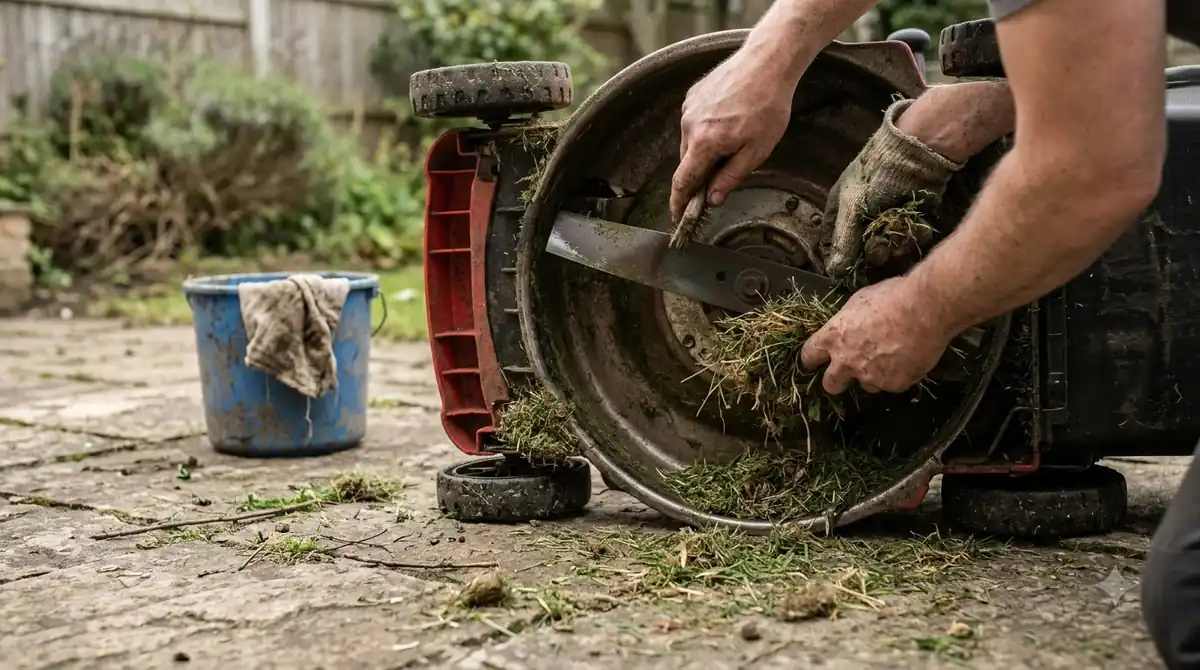
Clippings and pollen collect on the deck, wheels, and sensors. A mower that is cleaned regularly is less likely to spread residue around the yard, and cleaning reduces the chance of a sensor fault from a dirty lens. Wipe the underside and the sensor area after each week of heavy growth, and keep the charging station clear of cuttings so the mower docks cleanly.
Best robot mower for people with allergies: what to check before you buy
When you compare models for the best robot mower for people with allergies, start with the features that reduce exposure: a schedule you can control, rain pausing, and easy cleaning. Ask the seller whether the mower can run on a schedule that avoids certain hours, whether it can be set to skip runs during rain, and how the mower is cleaned. Ask about noise as well, because a quieter mower lets you keep windows closed comfortably and keeps the person with allergies out of the yard during runs.
A robot mower is not a substitute for medical care. Bring your allergy plan to your doctor, and treat the mower as one supporting step alongside any prescribed treatment. If you have allergies or asthma, talk to your doctor about your treatment plan, and do not rely on a machine to replace prescribed medication or protective measures.

Frequently asked questions
Does a robot mower stop pollen from spreading?
No. A robot mower cuts grass but does not remove pollen from the air. Its main benefit is that a person with allergies does not need to be outside during the cut.
When is pollen lowest for robot mowing?
Extension sources note that pollen counts are generally lower on cool, cloudy days and after rain. Scheduling runs in those periods can reduce exposure.
Should I cut my lawn very short to reduce pollen?
No. Scalping can increase pollen shedding in some grasses. Keep the lawn tidy at a moderate height instead.
Is an electric robot mower better than a gas mower for allergies?
An electric model avoids engine exhaust near the house, which many people find easier. It does not change the pollen released by the grass, so it works best alongside the other steps.
Sources
- UF/IFAS Gardening Solutions (university extension): wear a dust mask when mowing, and shower after time outdoors.
- UGA Today, UGA Cooperative Extension (university extension): pollen counts by weather and how Bermuda grass sheds pollen after mowing.
- University of Vermont Extension (university extension): mowing advice for people with grass allergies.
 Up next9 min readBest Robot MowersBest Robot Lawn Mower for People with Back Pain: What Helps and What Still Needs LiftingUpdated Nov 11, 2026
 8 min readBest Robot MowersBest Robot Lawn Mower for People Who Travel OftenUpdated Nov 11, 2026
 6 min readBest Robot MowersBest Robot Mower With Replaceable Battery: What to CheckUpdated Nov 14, 2026
 6 min readBest Robot MowersBest Robot Mower for a Yard with a Rain Garden: What to CheckUpdated Nov 14, 2026
 6 min readBest Robot MowersBest Robot Mower With Apple HomeKit Support: What to CheckUpdated Nov 14, 2026
 7 min readBest Robot MowersBest Robot Mower for a Lawn with a Pergola: What to CheckUpdated Nov 14, 2026