
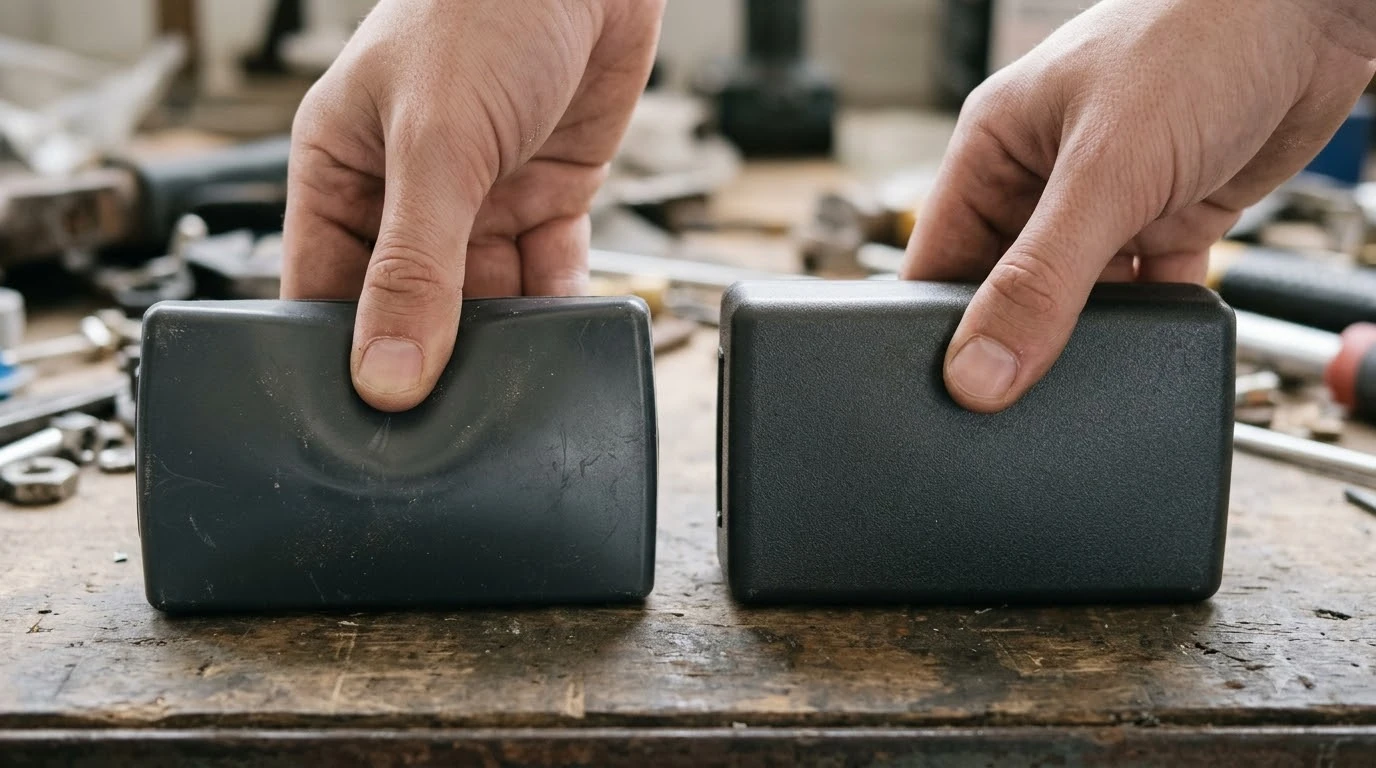

Can you paint or wrap a robot mower shell safely? Yes, as long as you keep every sensor, camera lens, LiDAR dome, ultrasonic emitter, ventilation slot, and safety button completely uncovered and stick to non-metallic cast vinyl or plastic-safe paints. Robot mower shells take constant abuse from UV rays, morning dew, low branches, and lawn debris, so customizing the outer cover is a popular way to hide scuffs or match yard decor. However, modern wire-free and perimeter-wire bots rely on sensitive optical, acoustic, and radio hardware integrated directly into the body panels, meaning a careless coat of paint or an oversized decal can blind the mower or void your warranty.
The short answer
- Vinyl wraps beat paint for reversibility: Automotive-grade cast vinyl protects the factory plastic from UV fading and scratches while peeling off cleanly if you ever need warranty service or want to resell the mower.
- Sensor zones are strictly off-limits: Covering LiDAR domes, stereo cameras, ultrasonic bumpers, rain sensors, or LED status windows will trigger navigation errors or stop the mower from docking.
- Avoid metallic finishes over GPS/RTK housings: Metallic flakes in spray paint or chrome vinyl films can attenuate satellite, Wi-Fi, Bluetooth, and RTK radio signals passing through the top shell.
- Skip harsh solvents on ABS plastic: Acetone, lacquer thinners, and aggressive prep wipes can craze, soften, or warp molded mower housings, according to Segway Navimow UK maintenance guidance.
- Check warranty exclusions first: Manufacturer policies such as the Husqvarna Warranty Policy exclude faults caused by unauthorized modifications that affect operation, safety, or compliance.
How paint and vinyl wraps affect robot mower sensors and signals
Modern robot mowers pack multiple navigation and safety systems behind thin plastic windows and flush body panels, so any surface coating changes how those sensors see the yard.
Unlike a traditional push mower where the deck is purely structural, an autonomous mower’s outer shell doubles as a protective radome and sensor mount. Covering or altering the wrong square inch of plastic can cause phantom obstacle stops, docking failures, or lost satellite fixes.
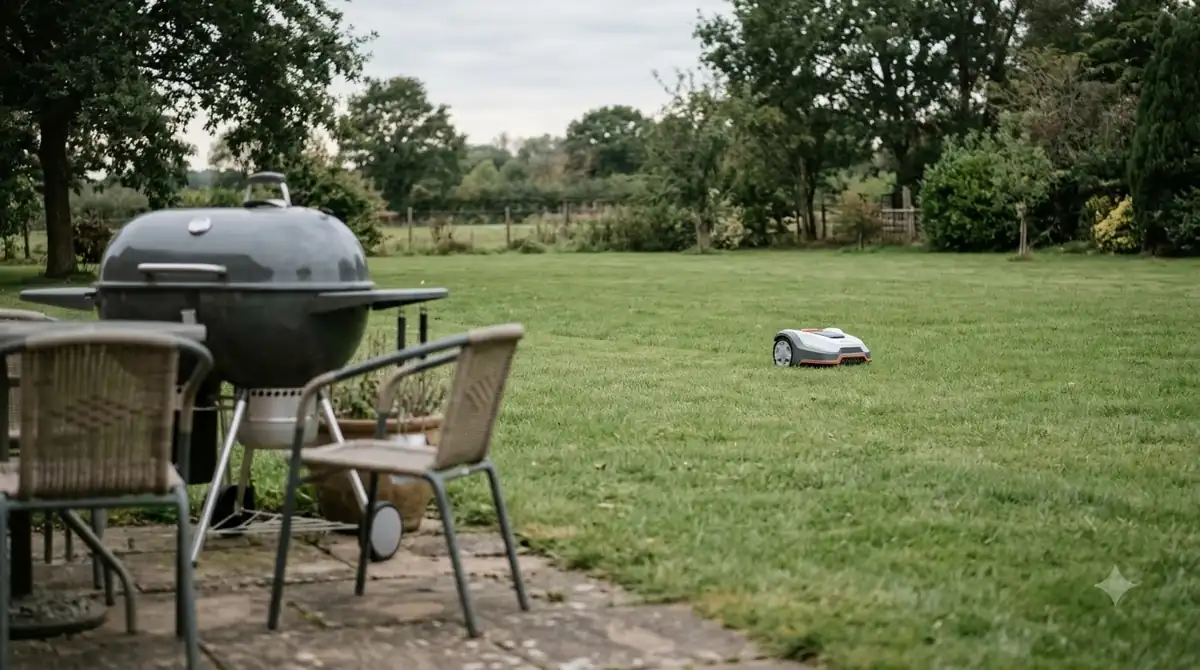
Before planning a custom color scheme, map out every active component built into your specific model:
| Component or zone | Effect of vinyl wrap | Effect of spray paint | Safe rule to follow |
|---|---|---|---|
| LiDAR dome and stereo cameras | Blocks laser pulses and optical vision, causing immediate positioning faults | Permanently ruins optical clarity and laser transmission | Leave completely bare; mask with low-tack painter’s tape before work |
| Ultrasonic and radar bumpers | Dampens acoustic echoes or alters radar wave refraction | Clogs transducer membranes and alters range calibration | Trim vinyl around sensor rings and never spray over transducer faces |
| Internal RTK, GPS, Wi-Fi, and 4G antennas | Non-metallic PVC passes RF cleanly; metallic/chrome films block signal | Standard acrylic/enamel is RF-transparent; metallic pigments attenuate signal | Use non-metallic pigments and non-conductive matte or gloss vinyl only |
| Rain sensors and charging contacts | Insulates brass contacts and prevents water droplets from bridging sensor pins | Creates a non-conductive barrier that stops charging or wet-weather docking | Keep metal pins, dock noses, and rain sensor wells 100 percent exposed |
| Red STOP button and safety vents | Can jam button travel or trap battery and motor heat inside the chassis | Seals seams around the emergency stop or clogs cooling vents | Never wrap over moving seams, STOP buttons, or airflow louvers |
As noted in owner guides for LiDAR-equipped models like the Anthbot M5, even a stray leaf, sticker edge, or chemical residue across a sensor dome disrupts scanning and throws positioning errors. The same principle applies to ultrasonic obstacle sensors used on Husqvarna Automower and Einhell Freelexo units, which rely on unobstructed acoustic windows to detect trees and walls before contact.
Vinyl wrap vs. painting: choosing the safer method
A removable cast vinyl wrap is safer and more durable for most robot mower owners than permanent spray paint.
Mower shells flex slightly when bumping tree roots, absorbing impact energy rather than cracking. Rigid paints that lack flex additives tend to chip or spiderweb along bumper corners after a few weeks of yard work, whereas quality automotive wrap film stretches over compound curves and absorbs minor branch scrapes without flaking.
Wrapping also keeps your exit options open. Because the adhesive layer sits on top of the factory finish without chemically etching the plastic, you can heat and peel the film off before sending the mower to an authorized dealer for service. Painting requires scuff-sanding the factory gloss coat, which permanently alters the original shell and makes factory restoration impossible unless you buy a replacement top cover.
If you prefer a factory-sanctioned look without DIY cutting, several major brands and specialty decal makers offer pre-cut vinyl skin kits or interchangeable colored top shells—such as Husqvarna’s replaceable Automower body kits—that snap onto existing mounting points without touching sensor housings.
Heads up
Dark matte black wraps and paints absorb significantly more solar heat than factory light gray, white, or orange shells. On hot summer afternoons, higher internal shell temperatures can push lithium-ion battery packs toward thermal throttling, slowing charging cycles or pausing mowing runs until the battery cools.
Materials and chemicals to avoid on mower shells
Most robot mower shells are molded from UV-stabilized ABS, ASA, or polypropylene plastics that react poorly to strong solvents and excessive heat.
When prepping a shell for paint or vinyl, avoid reaching for household garage solvents. Acetone, paint thinner, gasoline, and heavy-duty brake cleaners dissolve or craze ABS plastic on contact, weakening impact resistance and leaving a cloudy, pitted surface. Isopropyl alcohol diluted with water is the standard safe wipe for removing wax and grass oils before applying vinyl.
Be equally careful with heat guns during vinyl installation. While cast vinyl needs gentle warmth to conform around wheel arches and handle recesses, holding a heat gun too close to thin ABS panels can warp mounting tabs or distort the fit between the floating top cover and the lift-sensor pillars underneath. Keep heat settings low, keep the nozzle moving, and test adhesion on an underside edge first.
When selecting paint for an older, out-of-warranty shell, choose coatings formulated specifically to bond with plastics—such as acrylic enamel or urethane paints rated for ABS and polypropylene—paired with an adhesion promoter. Standard hardware-store alkyd enamels often peel off in sheets once exposed to damp morning grass and UV radiation.
Step-by-step: how to wrap or paint a robot mower shell safely
Removing the outer top shell from the chassis before applying vinyl or paint protects internal electronics and guarantees cleaner edges around sensors.
- Power down and remove the shell. Turn off the main power switch, remove the safety key if equipped, and unclip or unscrew the removable outer body cover according to your operator’s manual so you never spray or cut near live wiring or blade discs.
- Wash and decontaminate the plastic. Scrub away dried grass sap, mud, and sunscreen or fertilizer residue with mild dish soap and water, rinse thoroughly, and dry completely with a microfiber cloth.
- Degrease with mild isopropyl alcohol. Wipe the clean, dry shell with a 70 percent isopropyl alcohol solution to remove lingering mold-release agents or silicone polish, avoiding acetone or harsh solvents.
- Mask every sensor, lens, and seam. Apply precision low-tack painter’s tape over all ultrasonic transducers, camera lenses, LiDAR windows, LED indicators, charging ports, and the emergency STOP button recess.
- Apply cast vinyl or thin plastic-safe coats. For vinyl, work from the center outward with a felt-edged squeegee and gentle warm air, trimming edges a few millimeters short of floating bumper gaps; for paint, apply two to three light mist coats of plastic-bonded paint rather than one heavy wet coat.
- Cure fully and test every safety sensor. Let paint cure for at least 24 to 48 hours before reattaching the shell, then run a supervised test mow to verify that lift sensors, bump sensors, obstacle avoidance, and auto-docking respond normally.
Warranty, theft deterrence, and resale considerations
Cosmetic customization rarely voids an entire mower warranty automatically, but any damage or sensor malfunction traced to paint or vinyl will be excluded from coverage.
Under manufacturer warranty rules—including Husqvarna’s published terms and third-party extended plans—repairs are covered only when faults are not caused by owner alterations that affect performance, operation, or safety. If a dealer determines that overspray fouled an ultrasonic sensor or a thick wrap jammed the floating collision body, you will pay out of pocket for replacement parts and labor.
On the upside, high-visibility customization can serve as a practical theft deterrent and lawn-safety upgrade. A bright neon vinyl accent or custom pattern makes a robot mower easier to spot from across the yard, lowers the risk of someone accidentally backing over it in a shared driveway, and makes a stolen unit immediately recognizable if listed locally.
If you plan to upgrade your mower every few seasons, stick to a removable non-metallic vinyl wrap or buy a spare OEM shell to customize while keeping the original cover boxed in your garage.
Frequently asked questions
Can you put stickers or decals on a robot lawn mower?
Yes, small outdoor-rated vinyl stickers are safe on flat, solid sections of the outer shell as long as they stay well away from camera lenses, LiDAR domes, ultrasonic sensors, rain sensors, and moving bumper seams.
Does wrapping or painting a robot mower block GPS or RTK signals?
Standard non-metallic PVC vinyl and regular acrylic or plastic paints allow GPS, RTK radio, Wi-Fi, and Bluetooth signals to pass through normally, whereas metallic foil wraps, chrome films, and metal-flake paints can weaken or block wireless reception.
Will painting my robot mower void the manufacturer warranty?
Painting the outer shell does not automatically void coverage on unrelated internal components, but manufacturers exclude any sensor, charging, or mechanical faults caused by paint overspray, chemical damage to the plastic, or restricted shell movement.
What is the safest way to change the color of a robot mower?
Buying an official interchangeable replacement body kit from the manufacturer is the safest option, followed by applying a removable, non-metallic automotive cast vinyl wrap with all sensors and vents carefully uncovered.
Sources
- The Ultimate Robot Lawn Mower Maintenance Checklist (Segway Navimow UK): Referenced for exterior shell cleaning rules, sensor care, and warnings against harsh solvents like acetone and alcohol on mower housings.
- Husqvarna Warranty Policy (Husqvarna): Referenced for warranty exclusions regarding unauthorized modifications affecting product operation, safety, or compliance.
- Anthbot M5 LiDAR – Do’s and Don’ts Guide (Robotydo): Referenced for LiDAR dome sensitivity to stickers, films, and chemical cleaners causing positioning errors.
- ABS 3D Printing: Settings, Warping & Acetone Smoothing (JLC3DP): Referenced for ABS plastic thermal warping behavior and how acetone dissolves and alters surface dimensions.
 Up next9 min readLearnHow to Keep Slugs and Snails Out of a Mower Dock SafelyUpdated Nov 19, 2026
 9 min readLearnHow to dry out a robot mower after heavy dew safelyUpdated Nov 19, 2026
 7 min readLearnHow to Sharpen or Replace Robot Mower Blades SafelyUpdated Nov 14, 2026
 8 min readLearnHow to Clean Robot Mower Sensors Safely, Step by StepUpdated Nov 12, 2026
 8 min readLearnWhy Does My Robot Mower Skip Shaded Areas of the Lawn?Updated Nov 19, 2026
 6 min readLearnHow to Clean Grass Sap Off Robot Mower Titanium Blades EffectivelyUpdated Nov 19, 2026