
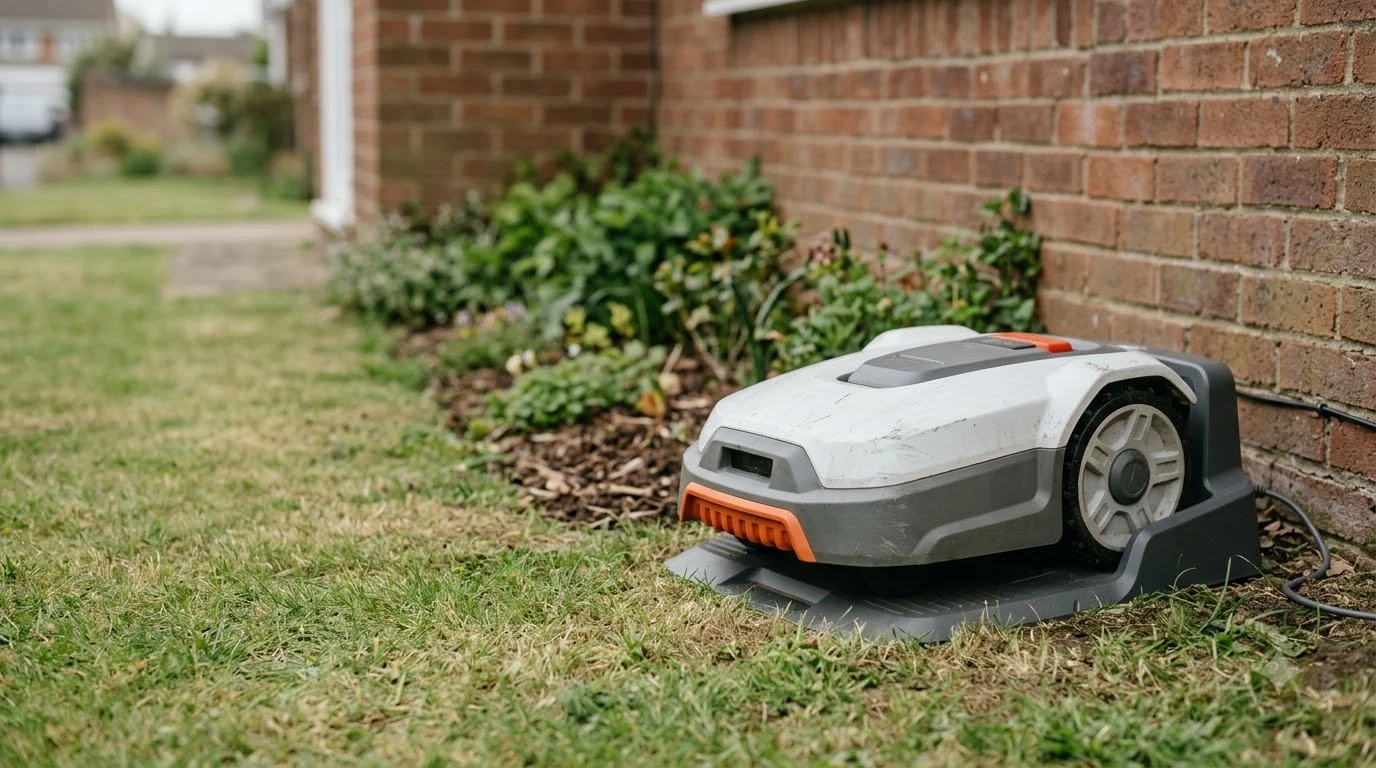

A robot mower and lawn sprinkler schedule can share a yard without conflict when the mower cuts on dry grass and the sprinkler runs early in the morning, in a separate window. The simplest schedule gives each machine its own time block, with a rain or wet-ground rule on top. Most timing problems come from overlapping runs on the same wet strip.
The short answer
- Sprinkler: water early in the morning, so the grass dries during the day.
- Mower: run it after the grass has dried, in a window that does not overlap a zone.
- Rain: pause the sprinkler when it rains, and keep the mower off soaked turf.
- Check: compare both schedules once a month as the seasons change.
Why the two schedules clash
The mower and the sprinkler both want the lawn at the same time of day. A sprinkler that runs in the evening leaves the grass wet overnight, and a mower that starts at dawn then crosses soaked soil. The result is ruts, torn grass, and a mower that stops on the same wet spot again and again. Many people first ask why robot mowers run daily, which is the reason a sprinkler timetable needs planning at all.
Our reading is that the clash is about timing, not about whether the two can coexist. A robot mower and lawn sprinkler schedule works best when each machine has its own fixed window. A robot mower and a sprinkler can work in the same yard once each has a fixed window.
Pick a sprinkler window first
Start with the sprinkler, since its timing is easier to set. The City of Oklahoma City’s irrigation guidance recommends watering early in the morning to reduce water loss from heat and evaporation. It also suggests cycle and soak on clay, compacted, or sloped soil, which splits run time into several short starts so water does not run off. Hoses and drip lines can be damaged too, as drip irrigation lines and robot mowers explains.
That same guidance says to keep each program to one or two start times, and to divide the total run time among them. For example, 12 minutes split across three starts becomes 4 minutes per start. Shorter starts help the water soak in, which also reduces the chance of a soft strip that the mower later crosses.
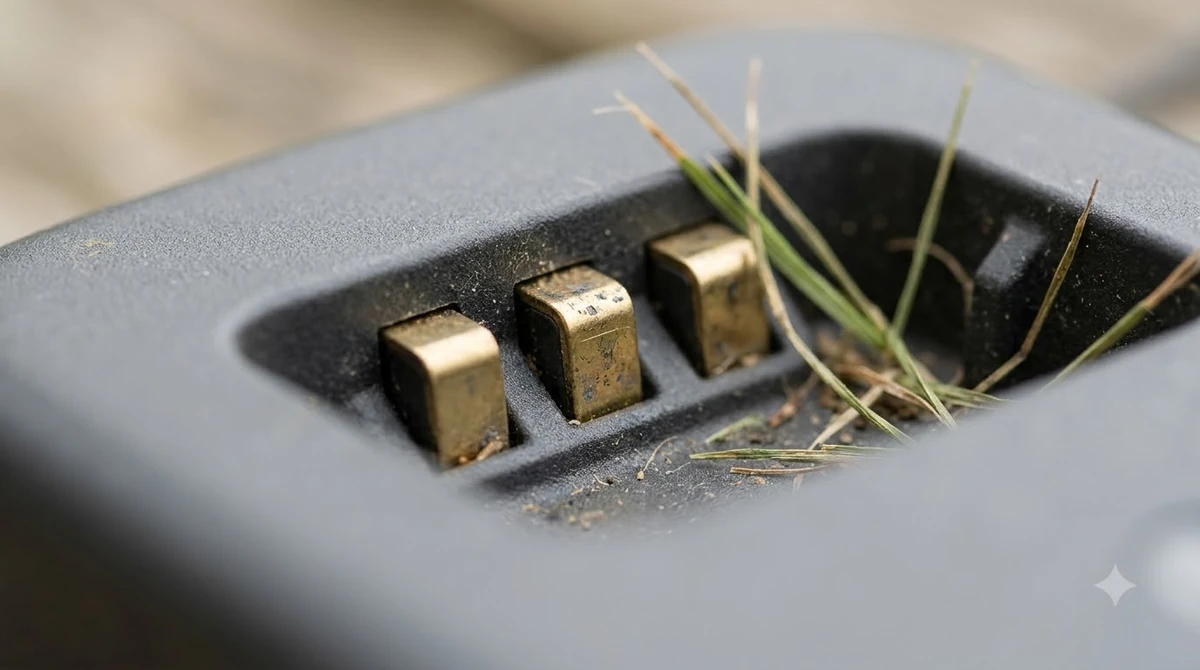
Robot mower and lawn sprinkler schedule: set the mower window
Once the sprinkler window is set, place the mower in a later block that gives the grass time to dry. Many owners choose a mid-morning or afternoon start, which keeps the mower clear of the early watering. The exact time depends on how long the lawn stays wet in your climate, so check the grass by hand before the first cut of the day. The app side of this plan is covered in configuring mower run windows, which shows where to set start and stop times.
Worx’s Landroid manual scheduling shows the kind of control to look for. Its Manual Schedule lets you set mowing times and days, and its Double Schedule runs two mowing sessions per day. Those two options make it easier to leave a gap for a sprinkler run. Its Auto Schedule uses irrigation as one input, but the page does not describe a direct link to sprinkler times, so a manual window is still the safer choice.
Handle rain and wet ground
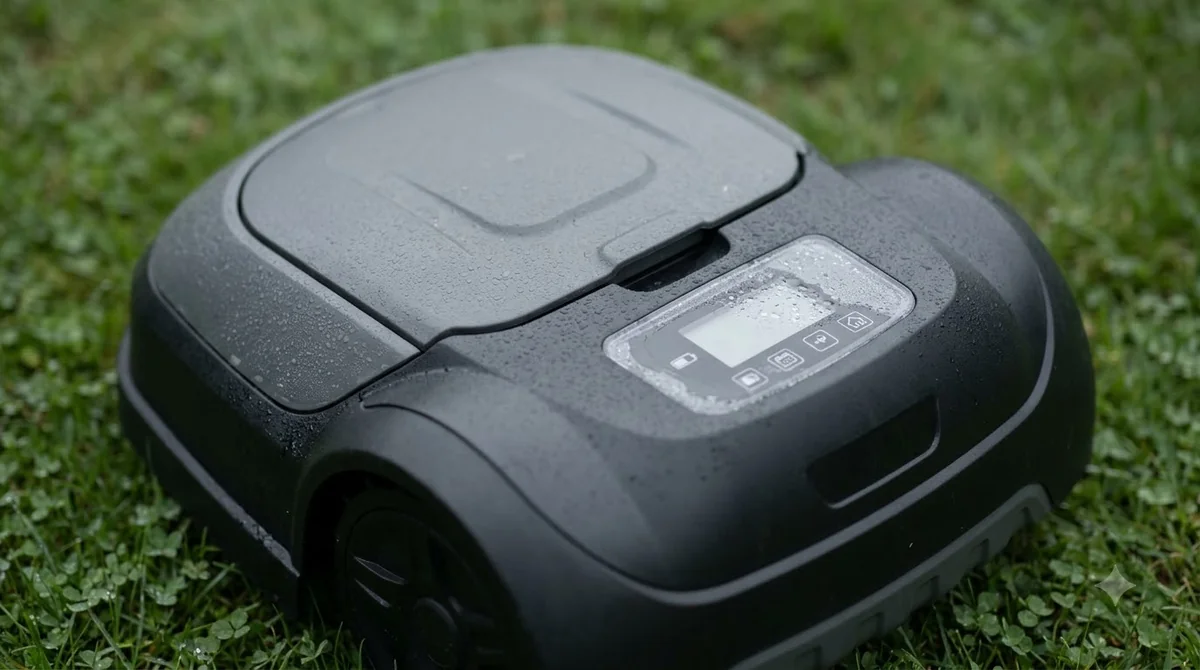
Rain is where the two schedules most often fail. A sprinkler on a timer keeps running after a storm unless it has a rain sensor or a manual off setting, and the mower may still head out onto soaked grass. The irrigation guidance says to switch the system to off during rainy or freezing weather. If the mower ignores your window, troubleshooting wrong start times lists the usual causes. Wet ground softens the lawn and exaggerates bumps, so it helps to understand how robot mowers and level lawns relate before you plan the watering schedule.
The mower needs its own rule. Keep it in the dock on wet days, and wait until the soil is firm underfoot before the next cut. A pause of a day or two after heavy rain is often enough to avoid the ruts covered in the related guides on this site.
Heads up
Some robot mowers can be paired with smart controllers through third-party integrations. Check the app and the integration before you rely on it, since the link may only park the mower and not manage the sprinkler.
A simple weekly plan
A workable pattern puts the sprinkler first in the morning, the mower in the afternoon, and a rule to skip both after rain. Adjust the timing as the seasons change, since a summer lawn often needs more water than a cool-season lawn in spring or fall. Short windows can leave the job unfinished, which why a mower takes long to finish explains. Weekly lawn care plans matter more on mixed lawns, and robot mowers on a clover lawn raise their own questions.
Write the plan down once and keep it on the controller or in the mower app. A written plan makes it easy to see when the two windows overlap, and it is the first thing to check when a patch of the lawn turns brown or a rut appears. Many lawns with a clear plan need only small changes over a season.
- Set the sprinkler. Choose one early-morning start per zone, and split the run time if the soil is clay.
- Set the mower. Place its window after the sprinkler, when the grass is dry.
- Add a rain rule. Turn off the sprinkler after rain, and keep the mower in the dock until the lawn is firm.
- Review monthly. Change both windows as the weather and grass growth change.
Frequently asked questions
What time should a robot mower run with a sprinkler?
Run the mower after the sprinkler has finished and the grass has dried, usually later in the day. Running it in the early morning, right after watering, is the most common cause of wet-ground wear.
Should the sprinkler water in the evening instead?
Evening watering leaves grass wet overnight, which can invite disease. The irrigation guidance recommends early morning, so the lawn dries during the day.
Can a robot mower and a sprinkler share one timer?
Not always. Some brands offer smart integrations, while others need two separate schedules. Check the manual and app for your model before you rely on a shared timer.
How do I stop the sprinkler after rain?
Use a rain sensor if the controller supports one, or switch the system to off during rainy weather. Manual control is the reliable fallback, since a timer alone keeps running.
Sources
- Irrigation Schedule (City of Oklahoma City): early-morning watering, cycle and soak on clay soil, one or two starts per program, and off during rain.
- Mowing Schedule Setup (Worx Landroid wiki): Auto and Manual Schedule, Double Schedule, and the note that irrigation is one input to Auto Schedule.
 Up next9 min readLearnHow to Sync Robot Mower Schedules With Local Sunrise and SunsetUpdated Nov 19, 2026
 7 min readLearnHow to Set a Robot Mower Schedule (and Why It Might Not Run)Updated Nov 11, 2026
 10 min readLearnAre Robot Mowers Worth It for Seniors? 5 Simple ChecksUpdated Nov 11, 2026
 8 min readLearnSegway Navimow Positioning Lost? What It Means and 6 Simple Fixes to TryUpdated Nov 10, 2026
 7 min readLearnHow Much Does an RTK Base Station Cost?Updated Nov 14, 2026
 6 min readLearnDo Robot Mowers Work With Alexa or Google Home?Updated Nov 14, 2026