
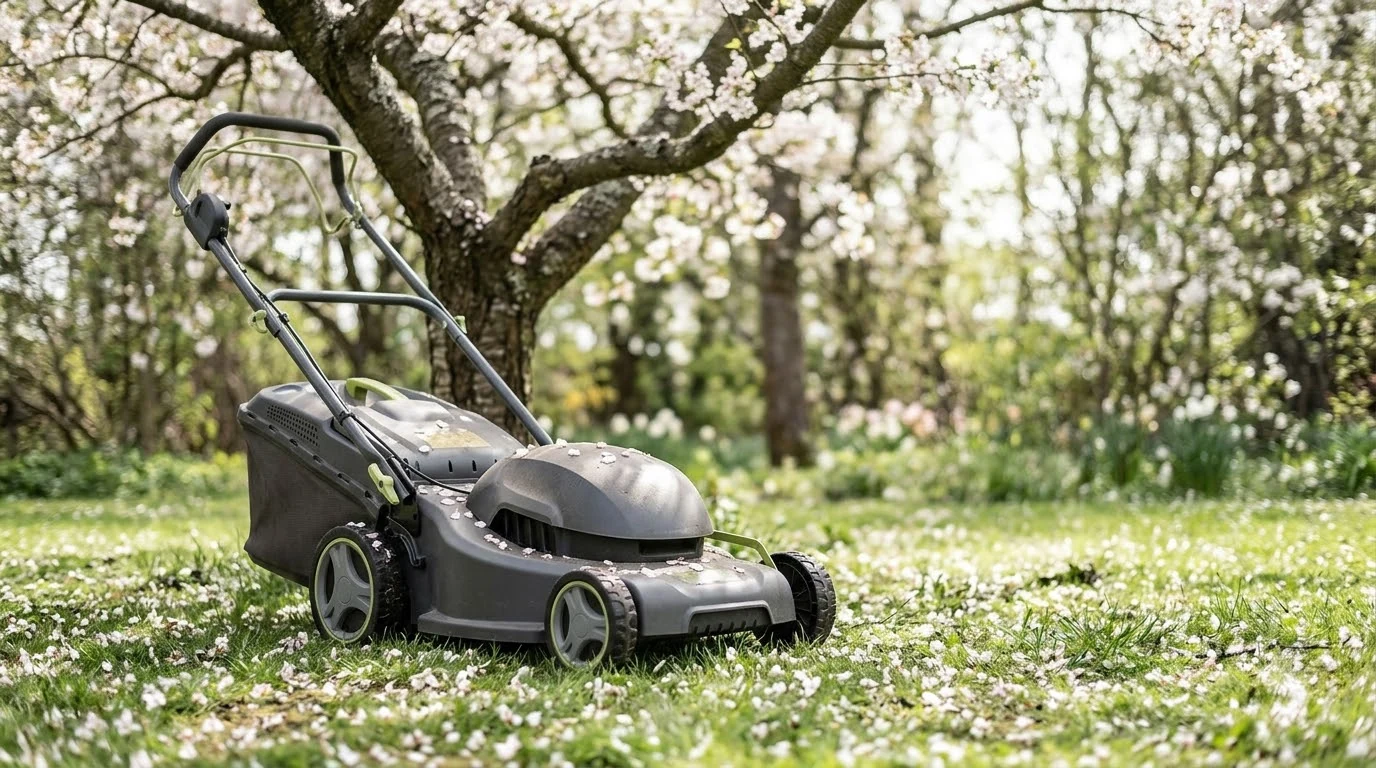

The best robot mower for fine fescue can cut down to about 1.5 inches and still reach the summer height you need. Clemson HGIC gives fine fescue a winter range of 1.5 to 2.5 inches and a summer range of 2.5 to 3 inches, so the lawn needs a mower that covers both. Fine fescue is a cool-season grass that is usually cut lower than tall fescue, but cutting it too low in summer goes against the guidance.
The short answer
- Winter height: 1.5 to 2.5 inches for fine fescue, per Clemson HGIC.
- Summer height: 2.5 to 3 inches, per the same Clemson range.
- Red fescue (UC): 1.5 to 2.5 inches on the UC IPM set-mower range.
- Mower check: UF/IFAS warns that autonomous mowers can cut lower than is favorable for some grasses, so the minimum setting matters as much as the maximum.
What height does fine fescue need?
Fine fescue needs a lower cut than tall fescue, but the number changes with the season. Clemson HGIC gives 1.5 to 2.5 inches in winter and 2.5 to 3 inches in summer. The University of Tennessee extension publication gives a cool, humid optimum of 1.0 to 2.0 inches for chewings, red and hard fescues, and a hot, dry optimum of 1.5 to 3.0 inches. For broader context on this group of species, how cool-season grasses respond to robot mowing sets out the height ranges most lawns use. The feasibility question is answered in robot mower cutting fine fescue, with notes on the thin blade and low-growth habit.
UC IPM’s set-mower range for red fescue is 1.5 to 2.5 inches, which lines up with the Clemson winter range. Our reading is that a mower that can hold about 1.5 to 2.5 inches for most of the year covers the cool-season need, and the summer rise to around 3 inches is the setting that needs a check.
| Source | Fine fescue height |
|---|---|
| Clemson HGIC (fine fescue winter) | 1.5 to 2.5 inches |
| Clemson HGIC (fine fescue summer) | 2.5 to 3 inches |
| UT Extension (cool, humid optimum) | 1.0 to 2.0 inches for chewings, red and hard fescues |
| UT Extension (hot, dry optimum) | 1.5 to 3.0 inches |
| UC IPM (red fescue set-mower range) | 1.5 to 2.5 inches |
The sources differ mostly in how they split the year. A safe starting point is 2 inches in spring and fall, then 2.5 to 3 inches in the hottest weeks. Each of those values sits inside at least one range in the table, and the summer setting follows Clemson’s summer range.
Why the minimum setting matters for fine fescue
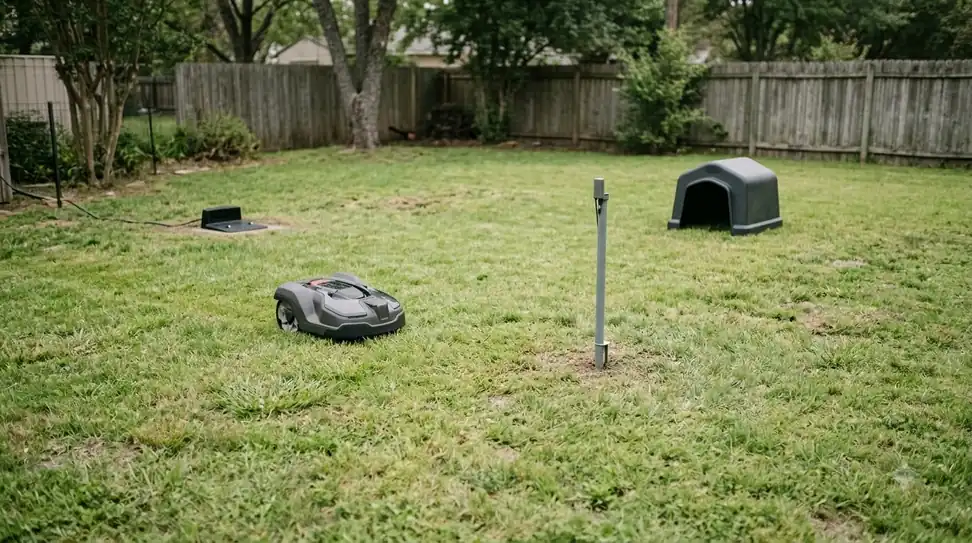
Robot mowers are often judged by how high they go, but for fine fescue the low end matters just as much. UF/IFAS notes that most autonomous mowers were designed for cool-season grass typically cut below 2.5 inches, which suits fine fescue. The same publication also warns that autonomous mowers can cut lower than is favorable for some grasses. Compared with other cool-season species, cool-season mower picks by species show which models keep the blade height in range. Minimum height settings matter for fescue, and robot mowers on a mixed weedy lawn face a related height question.
That warning applies to fine fescue in a different way. A mower set too low in summer can stress the grass when it needs the 2.5 to 3 inch range. So the best robot mower for fine fescue has a usable low setting around 1.5 inches and a high setting that reaches 3 inches, with both values written in its spec sheet.
Best robot mower for fine fescue: seasonal settings
Set the mower by season rather than leaving one height all year. The steps below follow the Clemson and UT ranges, with the UC red fescue range as a check on the cool-season numbers. Tall fescue grows differently from fine types, and tall fescue clump-growth mower picks cover the higher minimum height it needs.

- Winter and early spring: set 1.5 to 2.5 inches, the Clemson winter range.
- Late spring to summer: raise to 2.5 to 3 inches, the Clemson summer range, to reduce heat stress.
- Fall: drop back toward the winter range as growth slows.
- Check the mower’s spec sheet: confirm the minimum is at or below 1.5 inches and the maximum is at least 3 inches.
Heads up
A height below 1.5 inches sits under every range in the table. Only set a mower that low if you have a specific reason and the lawn is in cool, humid conditions where the UT range allows 1.0 inch.
Blades, schedule and lawn fit
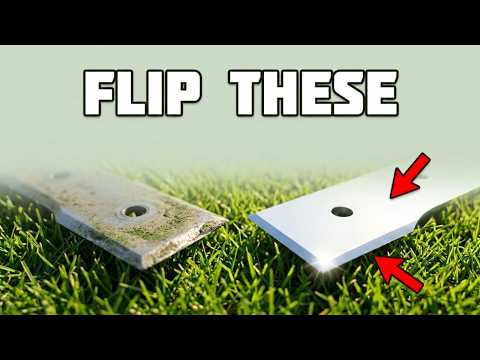
UF/IFAS describes robot mower blades as small and notes that their sharpness declines with use. It recommends replacing them every six to eight weeks during the growing season. A fine fescue lawn cut low is more sensitive to a dull blade, because torn tips turn brown quickly at a short height. A suitable run schedule depends on growth, and mowing schedule for fescue lawns outlines how often to cut through the year.
Our reading is that short, frequent runs in spring suit the grass, while summer runs should be fewer and at the higher setting. UF/IFAS also lists complex landscapes, raised beds and irrigation heads as limits, so map those before you buy.
Related reads: Ryegrass is often mixed into fescue seed blends, so perennial ryegrass mower recommendations are relevant if your lawn has both.
Frequently asked questions
What height should fine fescue be cut at?
Clemson HGIC gives 1.5 to 2.5 inches in winter and 2.5 to 3 inches in summer for fine fescue. UT Extension gives 1.0 to 2.0 inches for chewings, red and hard fescues in cool, humid conditions.
Can a robot mower cut fine fescue that low?
Many are designed for cool-season grass cut below 2.5 inches, according to UF/IFAS, so the low end is usually within reach. Check the minimum setting on the spec sheet, since the lowest preset is not always the one listed on the box.
Why does fine fescue need a higher cut in summer?
Clemson HGIC raises the summer range to 2.5 to 3 inches, and UT Extension gives a hot, dry optimum of 1.5 to 3.0 inches.
How often should robot mower blades be replaced on fine fescue?
UF/IFAS recommends every six to eight weeks during the growing season. A sharp blade matters more at a low height, because torn tips brown quickly.
Sources
- Clemson HGIC mowing height guidance (Clemson Cooperative Extension): fine fescue winter and summer mowing ranges.
- UT Extension W161-I (University of Tennessee Extension): cool, humid and hot, dry optimum ranges for fine fescues.
- Mowing Cool Season Grasses (UC Healthy Lawns, UC IPM): red fescue set-mower range.
- Autonomous or Robotic Mower Use on Florida Lawns (ENH1402) (UF/IFAS Extension): cool-season design range, low-cut warning, blade interval.
 Up next7 min readBy YardBest Robot Mower for Bunch-Type Tall Fescue: 3.5 Inch CheckUpdated Nov 14, 2026
 7 min readBy YardCan a Robot Mower Cut Fine Fescue? Heights and What to CheckUpdated Nov 11, 2026
 8 min readBy YardBest Mowing Height for Fescue: Tall vs Fine Fescue GuideUpdated Nov 11, 2026
 6 min readBy YardBest Robot Mower for Thick Southern Grass: 3 to 4 Inch CheckUpdated Nov 17, 2026
 7 min readBy YardBest Robot Mower for Mixed Weedy Lawn: 2 Inch Height TipsUpdated Nov 17, 2026
 7 min readBy YardWill a Robot Mower Get Stuck on a Lawn With Low Spots That Flood?Updated Nov 13, 2026