
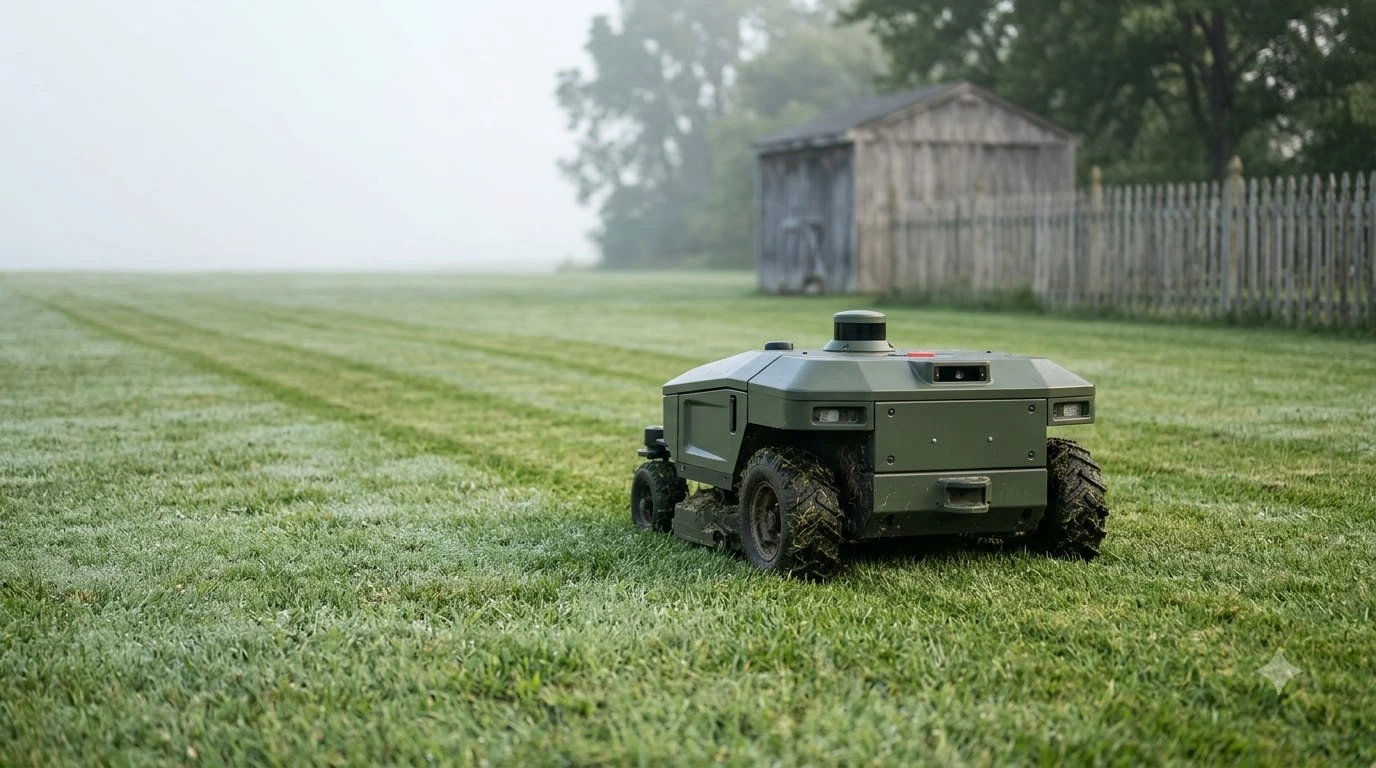

The best robot mower for Nevada lawns is the one that handles heat, dry air and limited water without forcing the grass into a low, stressed cut. Nevada’s desert climate pushes most lawns toward heat stress and irrigation limits, so the mower’s height range, its scheduling and the layout of the yard matter more than raw cutting power. This guide explains what to check, using university extension guidance where it applies.
The short answer
- Confirm the grass first: many Nevada lawns are warm-season or mixed turf, and each type needs its own cut height.
- Raise the cut in summer: taller grass shades the crowns and supports deeper roots, so the mower should reach a higher setting.
- Size by usable lawn: subtract beds, gravel, trees and pool areas before trusting a rated area.
- Plan the schedule around heat: choose a mower you can set to run in cooler hours and pause during extreme heat.
- Choose the boundary for the layout: open xeriscape edges and tight beds suit different boundary methods.
Why Nevada lawns need a different cut
Nevada spans hot, dry lowlands and cooler higher elevations, and many yards are a patchwork of turf, drought-tolerant beds and decorative rock. A robot mower is usually asked to cut a lawn that is already under stress, which is the opposite of the easy conditions a brochure photo shows. Nevada is far from the Southeast, but the Southeast comparison of robot mowers shows how climate shapes the shortlist. Arizona faces similar dry heat, so the Arizona lawn picks for robot mowers are a close comparison.
The key principle from extension guidance is simple: taller grass is more resilient. Iowa State Extension advises cool-season turf to be cut higher in summer, noting that the extra leaf area shades and cools the crowns of the plants and supports deeper root growth. Purdue’s optimum table lists Kentucky bluegrass at 2.0 to 3.5 inches and tall fescue at 3.0 to 4.0 inches, and warns that cutting significantly below the optimum range weakens the turf. Our reading is that a Nevada lawn in summer should sit at the upper end of its range, not the lower one.
Heads up
A robot mower cuts on its own schedule, so it can run during the hottest part of the day unless you set limits. Stressed grass that is cut short in full heat can turn brown quickly. Set the mower’s run times to cooler hours where the app allows it.
Size the mower to the lawn you actually have
Many Nevada yards are smaller than the rated area on a spec sheet suggests, but they are also full of obstacles. Gravel beds, decorative rock, drip lines and trees can take up a large share of the lot, and the mower has to route around each one. Measure the lawn that is actually grass, not the full lot, and compare that figure with the rated area. For another large western state with dry summers, see the California robot mower recommendations for comparison.
| Factor | What to check | Why it matters in Nevada |
|---|---|---|
| Usable turf area | Measure grass only, after rock and beds | Gravel and drip zones reduce the area the mower can cover |
| Height range | Minimum and maximum cut height | Summer heat calls for a higher setting than spring |
| Run scheduling | Time windows and pause options | Lets you avoid the hottest hours |
| Boundary method | Physical wire or virtual boundary | Matters around rock borders and drip lines |
| Slope rating | Inside-area and boundary slope limits | Foothill lots and graded yards can be steeper than they look |
Our reading is that a margin of around 20 percent above the usable turf area is a sensible buffer, since obstacles and irregular edges slow a mower down.
Setting the cut height through the seasons
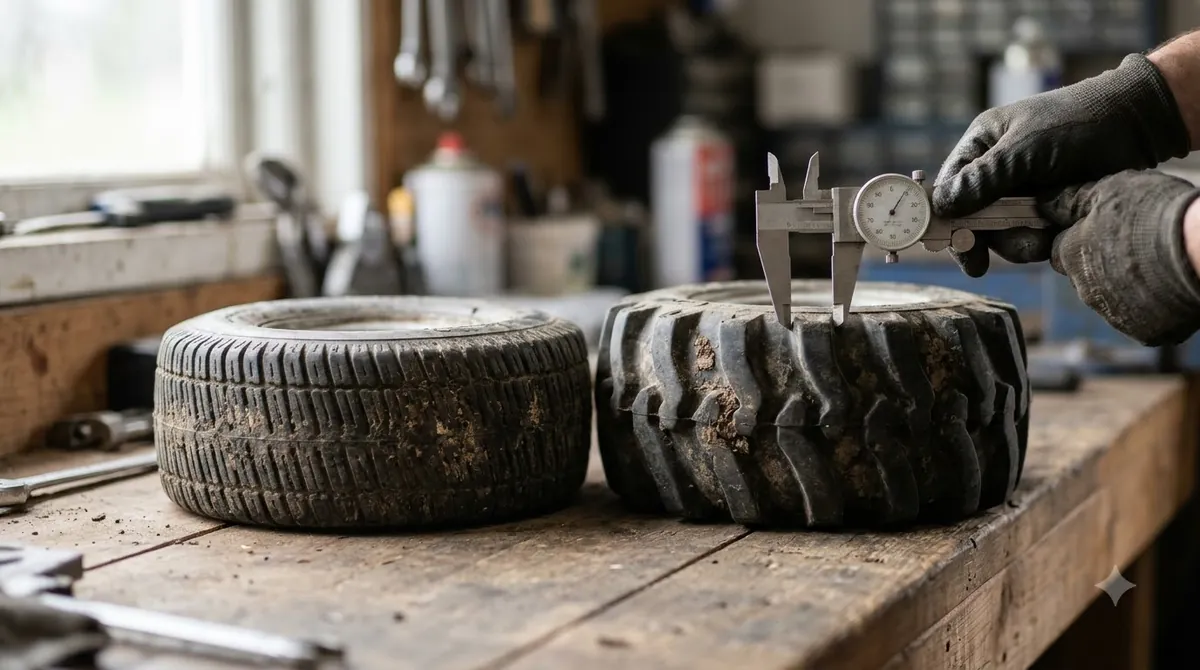
Set the height by grass type, then move it with the seasons. Spring and fall are usually the easiest months for turf, so a moderate cut works well. As summer heat builds, raise the setting rather than cutting short. Purdue’s guidance also advises against lowering the cut sharply in one step, and recommends adjusting gradually when grass has grown tall. Utah has similar dry-season constraints and a comparable lawn mix, so see robot mower options for Utah for another comparison. Cut height and schedule change with the season in warm climates, and mowing through Florida summers explains how that works from a humid, Gulf-coast angle.
- Identify the turf. Check the seed or sod label, or ask the installer, before setting the height.
- Set the spring height. Start in the moderate part of the grass’s range.
- Raise the height in summer. Move to the upper end of the range once temperatures climb.
- Respect the one-third rule. Never remove more than one-third of the leaf in a single cut. The University of Wisconsin extension makes this point for any lawn.
- Leave the clippings. Short clippings filter back into the lawn and return nutrients, which can reduce the fertilizer you need.

Water limits and dry-season routines
Water is the constraint most Nevada owners feel first. Many towns set watering schedules or restrictions, and the lawn may be irrigated on a timer that does not match the mower’s schedule. Coordinate the two. Mowing a lawn right after irrigation can leave wet clippings and soft ground, and a robot mower running over saturated soil can rut the surface. Water limits affect when you irrigate, so review robot mower and sprinkler routines.
During a dry spell, the lawn may slow its growth. Our reading is to reduce mowing frequency and keep the cut high rather than trying to maintain a tight, short look that the grass cannot support. A robot mower that runs on a light schedule is well suited to this, because it trims small amounts often and avoids large, stressful cuts.

Layout, slopes and boundary choices
Nevada yards often combine turf with raised planters, rock borders and patios. A physical perimeter wire gives a clear edge around planters and drip lines, which helps the mower stay out of beds. A virtual boundary can be faster to set up on an open lot, but it needs more care when the layout has many small zones. Odd boundaries are easier to handle with layout planning for complicated yards.
Check the slope ratings on both the inside of the cutting area and at the boundary. Foothill lots and graded backyards can be steeper than they look, and a mower that struggles on slopes will leave untrimmed patches that look worse than a manual pass.
What to check before you buy
Before ordering, confirm the usable turf area, the height range, the run-scheduling options, and the boundary method against your yard. Ask how easy it is to raise the cut in summer, because a mower that makes height changes awkward will often get left at the wrong setting. Check local availability of blades and the charging station, since a robot mower lives outdoors in strong sun and dust.
Finally, plan the installation around the layout. Rock borders, drip lines and sprinkler heads all need to be mapped before the boundary goes in, so allow time for that setup.
Frequently asked questions
What cut height should a Nevada lawn have in summer?
Move the cut toward the upper end of the range for your grass type. Iowa State Extension advises higher summer heights for cool-season turf because taller leaf area shades the crowns.
Can a robot mower run during the hottest part of the day?
It can, but it is better to set run times to cooler hours. Stressed grass cut short in full heat can decline quickly.
Should I mow right after watering?
Avoid it when possible. Wet clippings clump and wet soil can rut under a mower. Coordinate the irrigation timer with the mowing schedule.
Do I need a physical boundary wire for a yard with rock and beds?
A physical wire gives a clear edge around planters and drip lines, which can be easier to trust in a complex layout. A virtual boundary can work on open lots.
Sources
- Iowa State University Extension, summer mowing height FAQ (university extension): higher summer cuts for cool-season turf and the shading effect of taller leaf area.
- Purdue Turfgrass Science, Turf 101: Optimum mowing heights for turf (university extension): optimum ranges for Kentucky bluegrass and tall fescue, and the warning about cutting too low.
- UW-Madison Extension, Mowing can make or break lawns (university extension): the one-third rule and leaving clippings.
 Up next9 min readBest Robot MowersBest Robot Mower for Oklahoma Lawns: Grass and Heat GuideUpdated Nov 18, 2026
 8 min readBest Robot MowersBest Robot Mower for Arizona Desert Lawns: Heat, Dock and HeightUpdated Nov 14, 2026
 7 min readBest Robot MowersBest Robot Mower for Florida Summers: Rain, Heat and ScheduleUpdated Nov 17, 2026
 7 min readBest Robot MowersBest Robot Mower for Texas Heat: Charger, Schedule and LimitsUpdated Nov 17, 2026
 6 min readBest Robot MowersBest Robot Mower for a Lawn After Hydroseeding: First CutsUpdated Nov 13, 2026
 7 min readBest Robot MowersBest Robot Mower for a Home With a Home Office WorkerUpdated Nov 18, 2026