
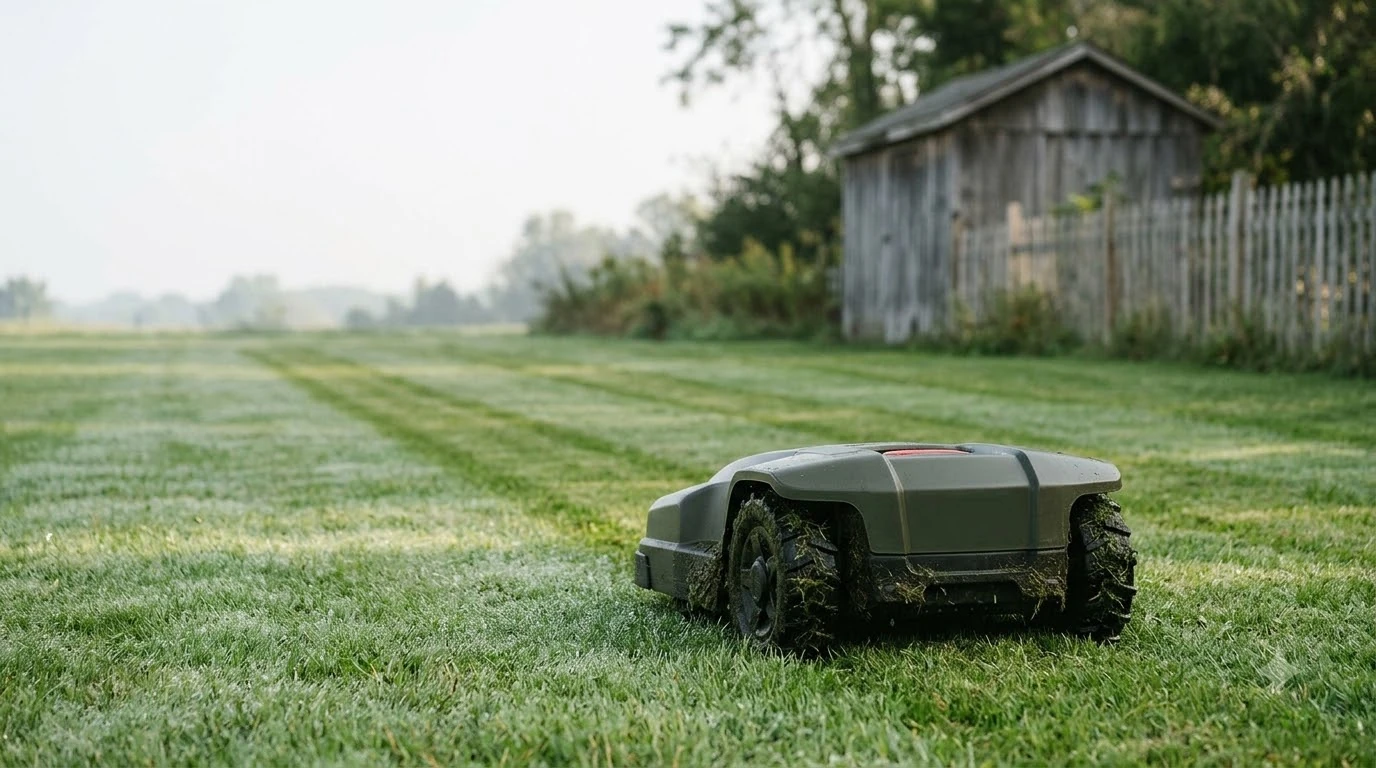

Choosing the best robot mower for a lawn with a septic mound comes down to one question: can you keep it off the raised area itself? A robot mower can run on such a lawn, but confirm where the mound sits before you set up boundaries. We did not find a source that approves or rules out robot mowers on a mound specifically. The safe approach follows general drainfield guidance: keep vehicles and heavy loads off the buried field, keep the cover grass healthy, and fence the mower away from the mound. This guide covers what to check before you buy and what to set up once the mower is running.
The short answer
- Choose a mower you can fence out: boundary wire plus a stay-out zone is the main control for a mound.
- Traffic matters more than the mower’s name: a light robot mower is far lighter than a truck, but repeated passes still compact soil.
- Keep the cover grass: the top of the mound should stay vegetated, so avoid letting the mower wear bare patches into it.
- Confirm the layout first: the installer or local health department can show where the mound and its edges are.
What a septic mound is and why mowing matters
A mound is a raised version of a drainfield. Wastewater from the septic tank is sent into a sand-and-gravel bed built above the natural ground and covered with soil. The US EPA overview of septic system types describes drainfields as the underground part that treats and disperses effluent, and the same principle holds for a raised bed: the soil and grass on top are part of the system. Our reading is that a mound is more exposed to wheel traffic than a flat trench because its sides rise above the lawn, so the edges matter as much as the top. Protected ground is a layout problem, so the yard-layout robot mower guide offers broader planning tips. Drain fields raise similar concerns, as covered in mowing safely over a septic drain field.
Why traffic on the mound is the real concern
Compaction is the core issue. The University of Nebraska water program explains that compacted soil has less pore space, and the air in those pores is needed by the bacteria that treat wastewater. Thurston County, Washington, adds that cars and heavy equipment can crack the pipes in a drainfield, and its guidance calls for a barrier where vehicles or equipment can reach the field. A robot mower is much lighter than either case, but the rule is the same: it should not cross the field over and over. Mounds are uneven by nature, so see options for uneven lawn surfaces.

How much does a robot mower weigh?
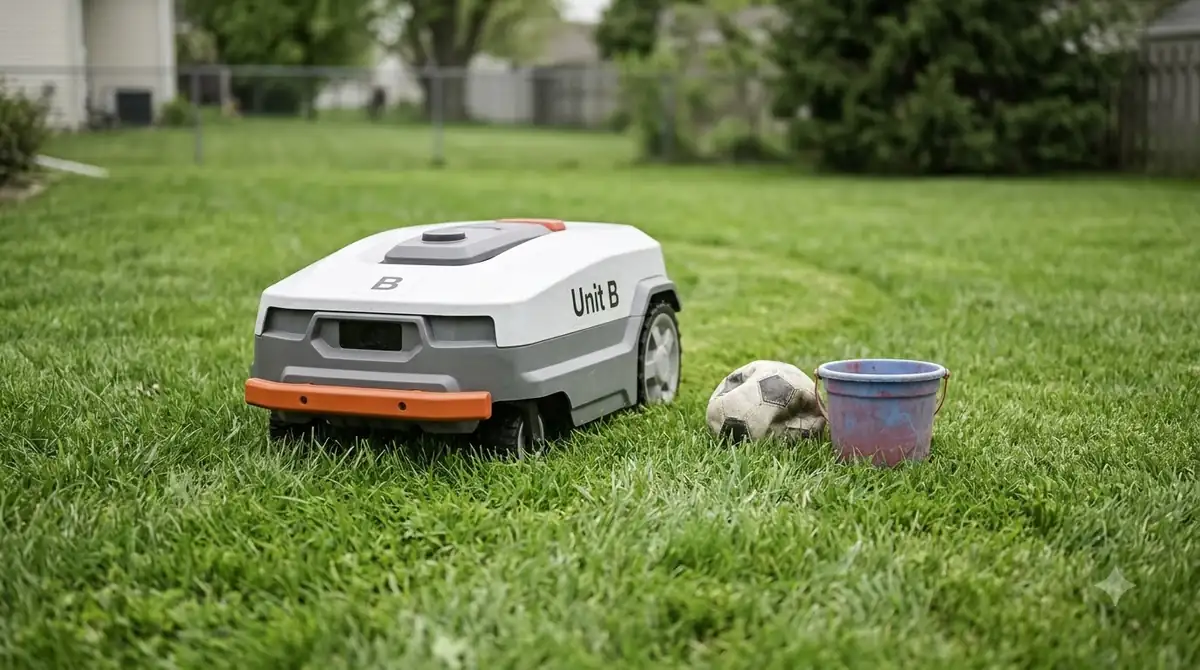
The Husqvarna Automower 430X is listed at 28.7 lb, 22 inches wide, and 12.2 inches high. That is light compared with a riding mower or a pickup truck. We did not find a source that sets a weight limit for robot mowers near a septic system, so treat weight as a reason for caution rather than a certified number. The practical question is how often the mower will pass over the mound, which depends on the zones you set.
| Factor | Why it matters | What to do |
|---|---|---|
| Mower weight | Light, but repeated passes still compact soil | Keep the mower off the top and sides of the mound |
| Stay-out zones | Keep the mower out of an area without a wire loop | Use boundary wire and a physical barrier |
| Cover grass | Vegetation helps hold the soil in place | Keep grass healthy and avoid bare patches |
| Trees and shrubs | Roots can damage the system | Do not plant on or near the mound |
Keeping the mower off the mound
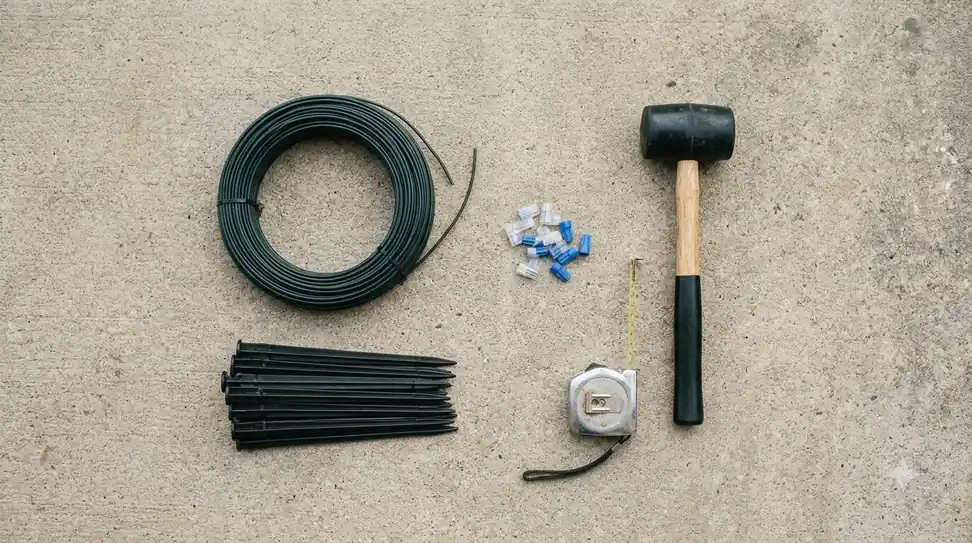
For a lawn with a septic mound, the zone setup matters as much as the model. Husqvarna’s stay-out zones use AIM technology and require boundary wire and an AIM-capable model, so they are not a substitute for a physical barrier. The company’s guidance is to combine boundary wire with a barrier of at least 15 cm (6 inches) where the area is open to other traffic. Our reading is that a mound is a good candidate for a permanent stay-out zone, and that the zone should be set so the mower turns before it reaches the raised edge rather than after. A stay-out zone should never be relied on to keep the mower out of a pool or off a street. Hard edges next to turf are covered in robot mower picks for patio lawns.
Best robot mower for a lawn with a septic mound: what to check
Before you choose a model, collect the details below. Most of them take a single phone call or a site visit. The goal is simple: know where the mound is, know where the mower is allowed to go, and make sure the route between them is clear. A lawn with a mound often has more edges than a plain rectangle, and each edge is a place where a wheel can drift onto the raised area if the boundary is not set well. If this is your first mower, see the page for first-time robot mower owners.
It also helps to walk the lawn with the mower’s manual in hand. Look at the spots where the mower would have to turn, the gaps between the mound and a fence, and any place where the grass is already thin. Those are the spots where a boundary wire is most likely to need an extra loop or a physical barrier. Our reading is that a mound is safest when the mower’s route keeps a clear margin around it instead of skirting the edge at the closest possible distance.
- Mound layout: ask the installer or the local health department to mark the mound and its edges.
- Boundary options: confirm the model supports boundary wire and stay-out zones, and whether the zones are included or sold separately.
- Lawn shape: narrow strips and tight turns near the mound need a mower that handles edges well.
- Grass plan: the mound top should be seeded and kept green so bare soil does not invite traffic.
- Local rules: requirements differ by county and state, so check with the local office before you change the lawn around the system.
Related reads: Moving the mower on and off the lawn is easier with ramps for moving a mower.
Frequently asked questions
Can a robot mower drive over a septic mound?
We did not find a source that approves that. Keep the mower off the mound with boundary wire and a physical barrier, and check local rules before you set up.
Does the mower’s weight matter for a mound?
It probably matters less than a vehicle, but no source we read sets a weight limit for robot mowers. Treat it as a reason to keep traffic on the mound low.
Should I keep grass on top of the mound?
Yes. University of Nebraska guidance says to establish and maintain grass over a drainfield, which also applies to a raised system.
Who can tell me where the mound is?
The installer, the local health department, or the permitting office can show the layout. They are the best source for the exact edges.
Sources
- US EPA, types of septic systems (federal agency): drainfield definition and designs.
- University of Nebraska water program (university extension): vehicle rule, compaction, grass and trees.
- Thurston County, Washington (county government): heavy equipment and pipe damage, barrier advice.
- Husqvarna Automower 430X support page (manufacturer): weight and dimensions as listed, as of Nov 2026.
 Up next7 min readBest Robot MowersWhich Robot Mower Is Safe Over a Septic Drain Field?Updated Nov 12, 2026
 7 min readBest Robot MowersBest Robot Mower for a Lawn With a Patio: Sensors and EdgeUpdated Nov 14, 2026
 8 min readBest Robot MowersBest Robot Mower for a New Build Lawn with SodUpdated Nov 13, 2026
 7 min readBest Robot MowersBest Robot Mower for a Long Thin Strip Along the FenceUpdated Nov 17, 2026
 8 min readBest Robot MowersBest Robot Mower for Arizona Desert Lawns: Heat, Dock and HeightUpdated Nov 14, 2026
 6 min readBest Robot MowersBest Robot Mower for the Carolinas: Match the GrassUpdated Nov 14, 2026